Designing for
EQUINE WELFARE
What every equestrian property owner should understand about land, infrastructure, safety and assembling the right team.
A LUXURY EQUESTRIAN NETWORK EVENT RECAP
Photography by Honey Photographs
When Diane Korsh purchased Del Mar Meadows in Carmel Valley, horses were already living on the property. Her daughter rode, and owning a property where they could keep the horses at home seemed like a logical next step.
“I just assumed, ‘Oh, there’s horses on this property. I can have horses on this property,’” she recalled. “But it doesn’t really work that way.”
That assumption is an easy one to make. A buyer sees acreage, a barn and an arena and begins imagining what the property could become. But an equestrian property is not defined simply by whether horses are already there. What can be built, where it can be built and how the property can ultimately function may be determined by zoning, environmental restrictions, water, access, drainage, fire safety and infrastructure that are far less visible during a property tour.
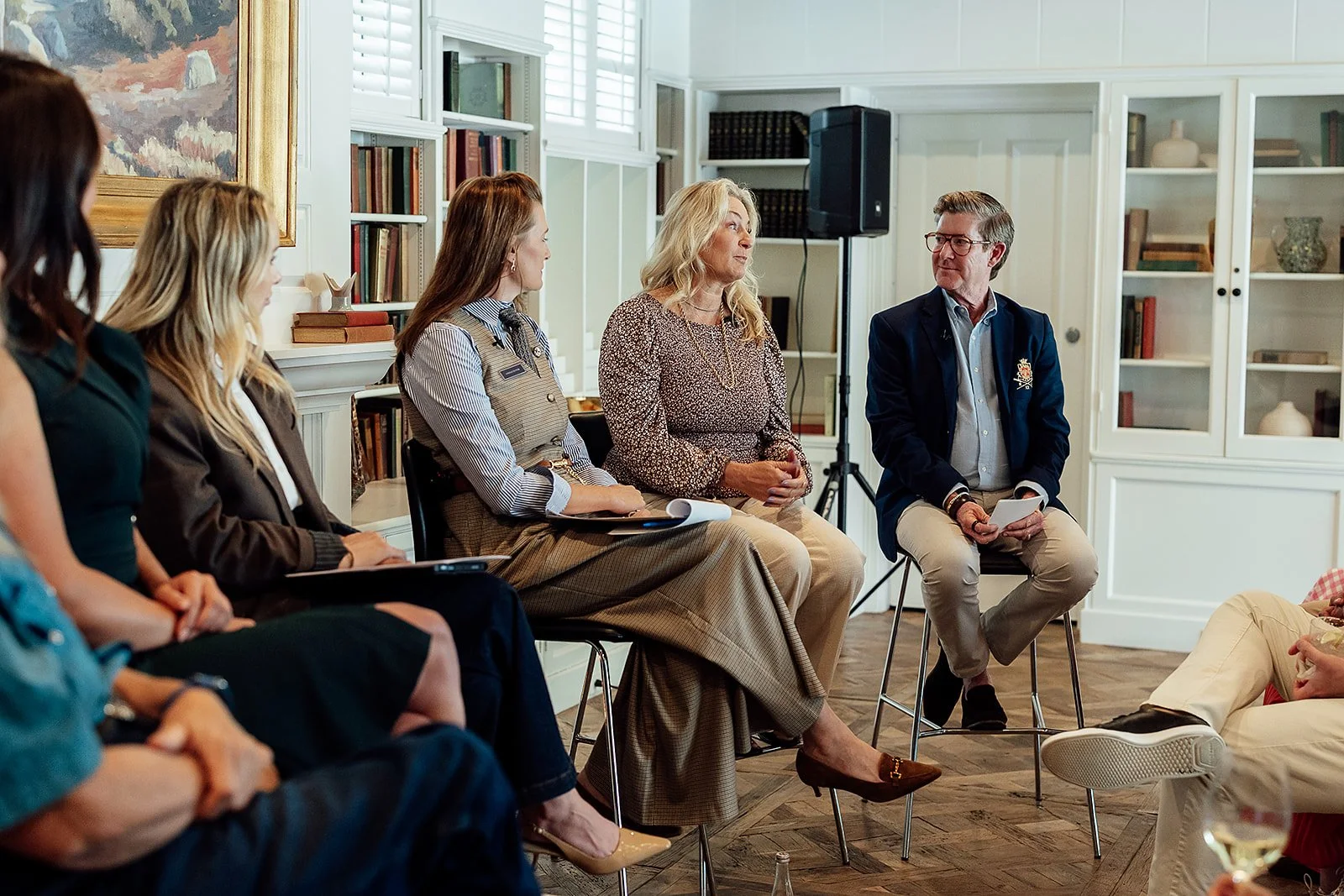
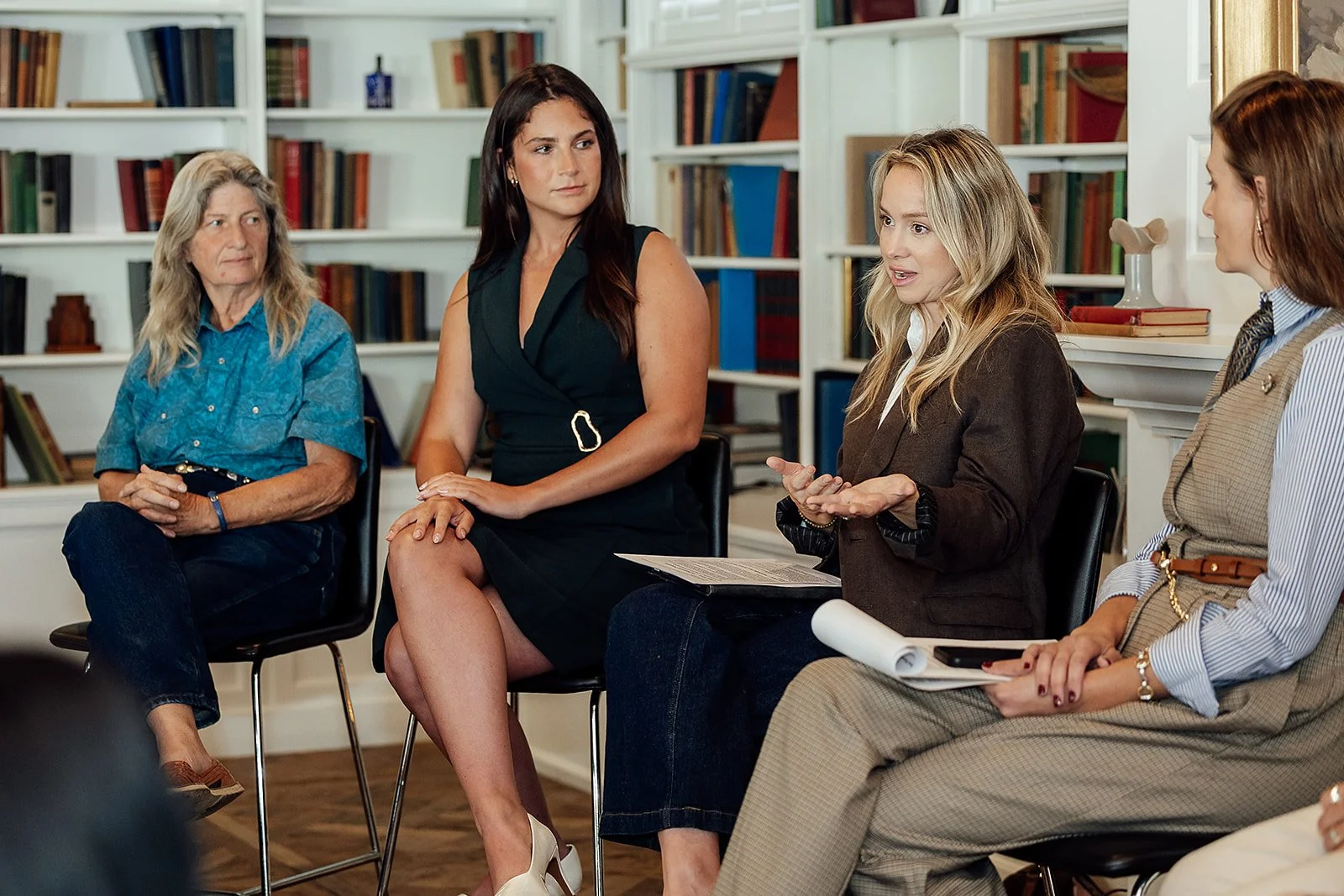
Those complexities were at the center of Designing for Equine Welfare: Water, Safety, Land Use & Long-Term Property Planning, a Luxury Equestrian Network panel held this spring at The Inn at Rancho Santa Fe. The conversation brought together Korsh’s experience as a property owner with the perspectives of equestrian real estate advisor Sean Caddell, Kate Ginise of Capillary Flow and environmental and agricultural consultant Lisa Wood, with Lindsay Hunter and Jessie Leland moderating.
The discussion began with a broader definition of equine welfare. Veterinary care, nutrition and training are essential to a horse’s health, but so is the environment in which that horse lives. The placement of a barn, the amount and quality of turnout, footing and drainage, hay and manure storage, emergency access and even the plants chosen for the landscape can have consequences for the horse long after construction is complete.
And many of those decisions begin before anything is designed at all.
For Korsh, learning what she could actually do with her property became an education that lasted years. What she considered relatively minor changes to an existing arena eventually led to a code violation and a permitting process that stretched on for approximately 15 years.
Moving earth could constitute grading. Altering an existing improvement could trigger additional review. Habitat designations could affect how much of a parcel was actually available for development.
Her experience illustrates an important distinction for anyone considering an equestrian property: existing use and permitted use are not necessarily the same thing.
A property may have horses, barns and arenas and still contain improvements that were built decades ago, permitted under different regulations or never properly documented. A 25-acre parcel may not offer 25 acres on which an owner can build. And an existing use that has continued for years may face new scrutiny when an owner attempts to renovate, relocate or replace a structure.
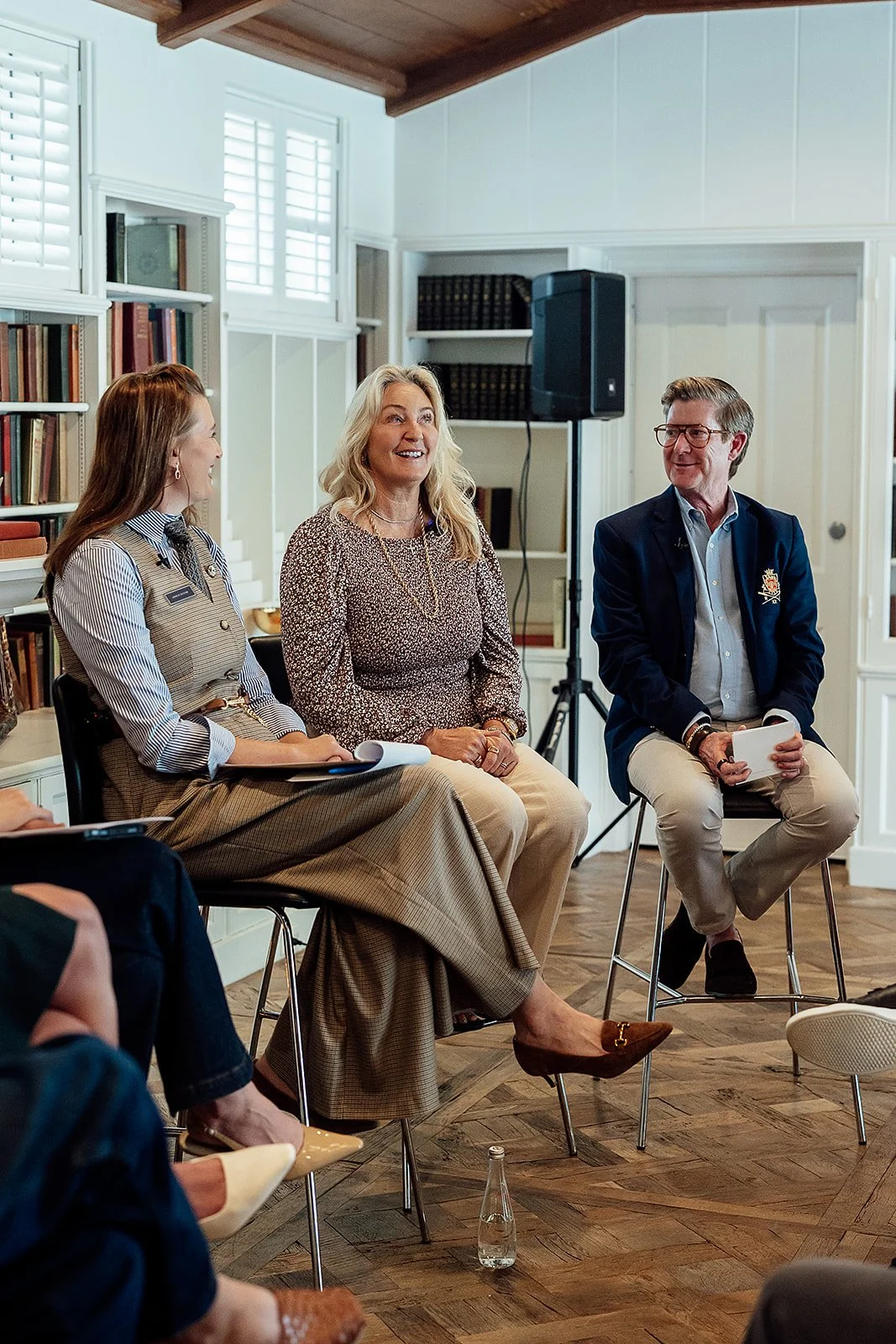
“I just assumed, ‘Oh, there’s horses on this property. I can have horses on this property,’” she recalled. “But it doesn’t really work that way.”
DIAN KORSH
That makes due diligence considerably more important than confirming acreage and zoning on a listing sheet. Understanding the property may require reviewing permits and title information, investigating environmental overlays, speaking with the appropriate city or county departments and determining whether the improvements a buyer considers essential are actually feasible.
“You really have to do your investigative work,” Caddell told the audience.
The point is not to eliminate the vision that draws someone to a horse property in the first place, but to test that vision early enough to protect it. If a covered arena is essential, the time to discover that it cannot be permitted is before the property is purchased. If a barn needs to move, the implications of grading or environmental review should be understood before construction begins.
For Korsh, one of the greatest challenges was not simply navigating the regulations, but knowing where to turn for answers in the first place. Like many property owners, she approached the process as she reasonably thought she could: buy the property, learn what it needed and address improvements as they arose. What she could not have anticipated was how quickly seemingly straightforward decisions would lead into specialized questions of permitting, environmental restrictions and equestrian property development—or how many different professionals might ultimately be needed to answer them.
“If I had a person to ask, I would have asked,” she said. “But I didn’t.”
Over time, Korsh found the professionals and resources that helped her navigate the property’s increasingly complicated permitting and environmental issues, assembling that expertise piece by piece. It is part of why she agreed to share her experience with the group: so others might benefit from knowledge and connections she had to find for herself.
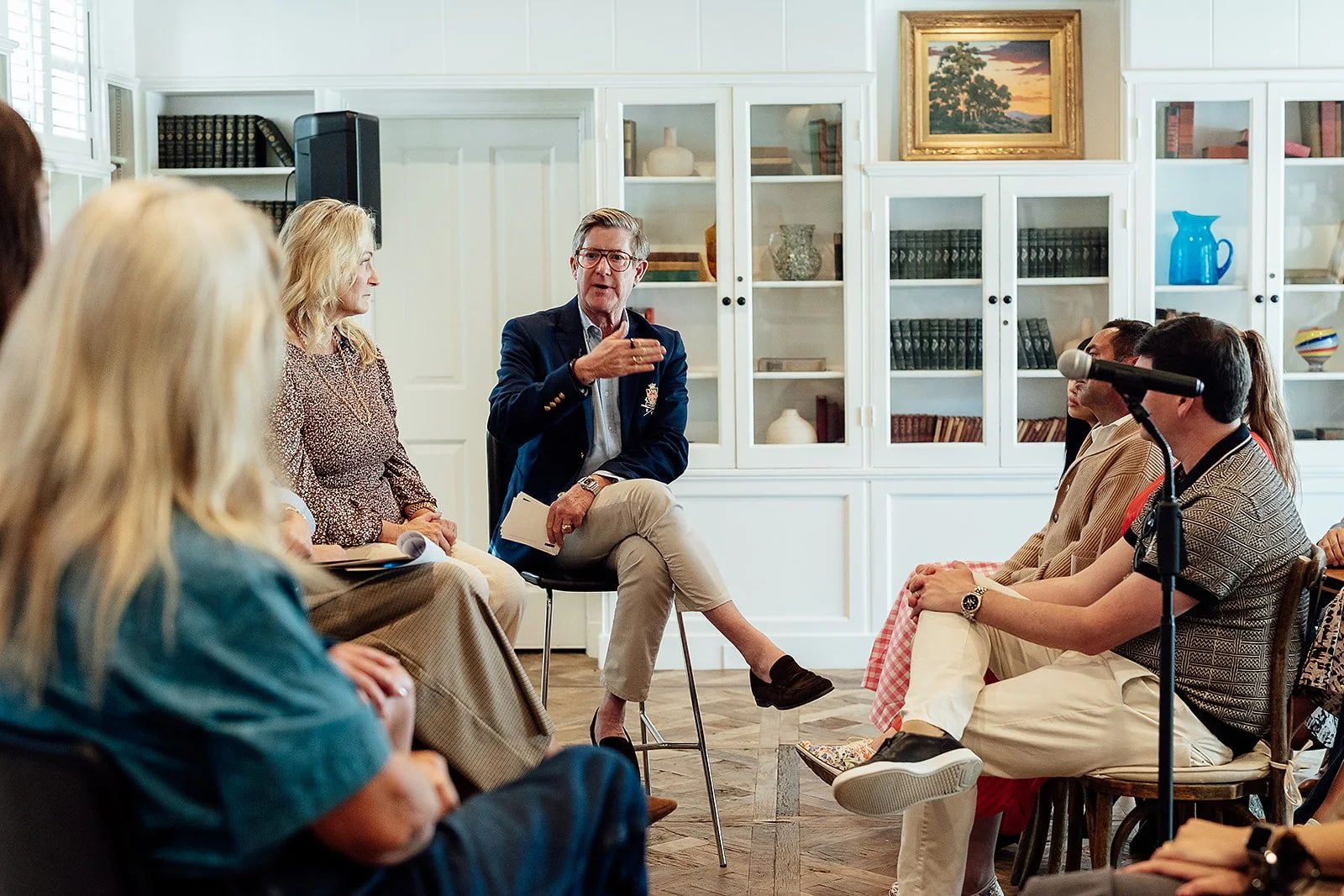
“You really have to do your investigative work.”
SEAN CADDELL
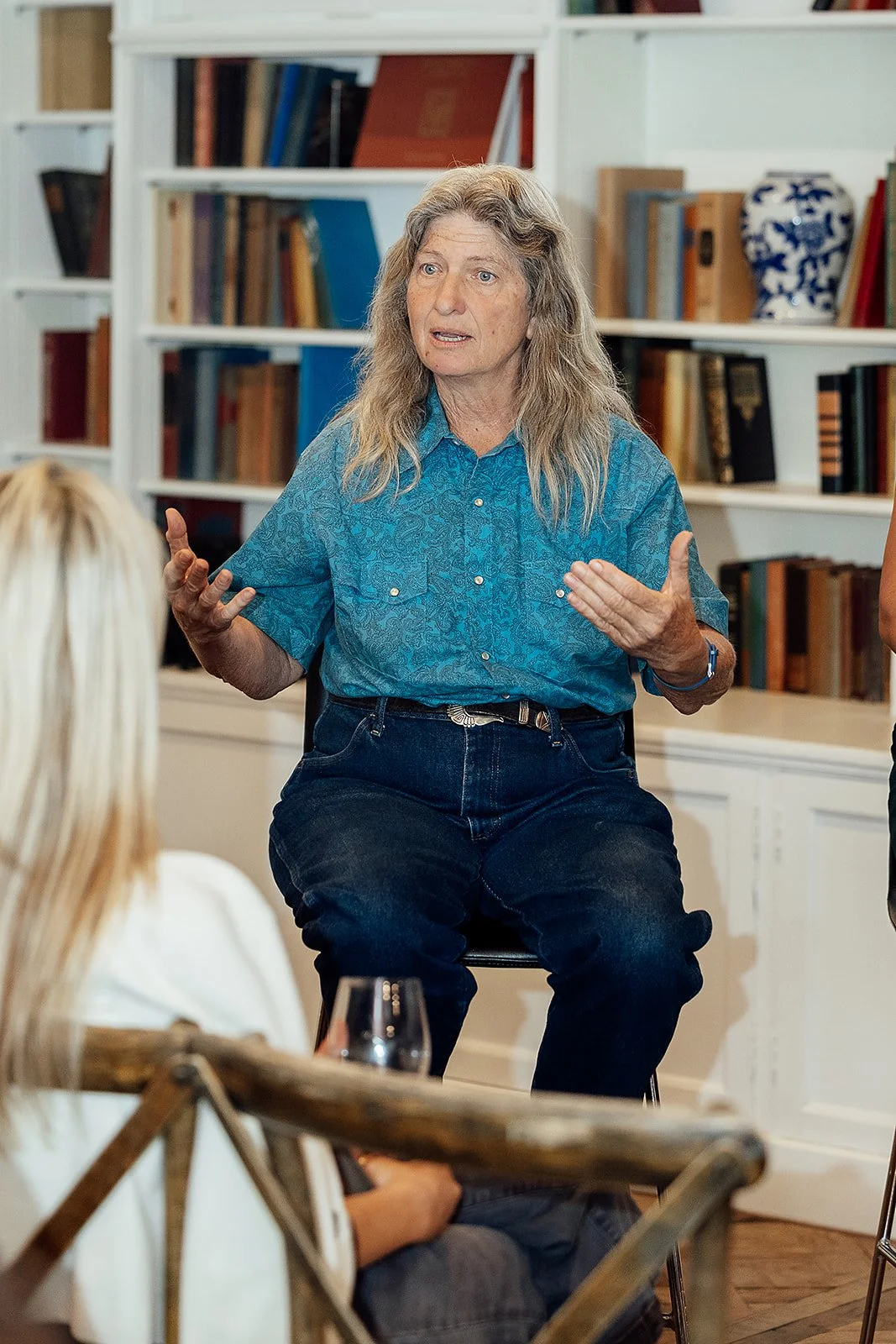
“When you’re building a barn, you want to make sure there are two egresses for every horse.”
LISA WOOD
DESIGNING BEYOND THE BARN
Once the land itself is understood, equine welfare becomes a series of interconnected property decisions.
Turnout is one example. In Southern California, limited water and a dry climate have made dirt paddocks and restricted access to grass feel almost inevitable. Yet turnout is not simply a landscape amenity. The ability to move, graze and spend time outside the stall is part of the horse’s daily environment, which means decisions about irrigation and landscape infrastructure can become welfare decisions as well.
Ginise presented Capillary Flow’s subsurface watering system as one way of reconsidering that limitation. Rather than watering from above, the closed system supplies water beneath the surface and recirculates what is not absorbed. Ginise said the system can maintain grass year-round while significantly reducing water use compared with conventional sprinkler irrigation.
The technology raises a larger design question: which limitations are truly unavoidable, and which have simply become accepted because properties have traditionally been built and managed a certain way?
The same question applies to manure.
Every horse property produces it, yet where it will go and how it will be handled can easily become an operational problem addressed after the barn is already functioning. Planning for manure management during the design process creates more options. Wood discussed composting not simply as a means of waste disposal, but as a way to turn material generated on the property into something that can improve soil, drainage and footing.
Which limitations are truly unavoidable, and which have simply become accepted because properties have traditionally been built and managed a certain way?
That conversation also revealed how quickly one property decision can affect another. Compost generates heat as organic material decomposes. Wet organic material—including hay—can become hot enough to create a fire hazard. Suddenly a conversation about manure management had become a conversation about barn safety and hay storage.
For Wood, designing for emergencies means thinking through the property when conditions are at their worst, not simply when everything is functioning normally.
“When you’re building a barn,” she said, “you want to make sure there are two egresses for every horse.”
Emergency planning extends beyond the stall door. Can a fire truck reach the barn? Can a truck and trailer enter, turn around and leave efficiently? Where are horses moved during an evacuation? Who is responsible for them? Wood told the audience that she has assisted with wildfire evacuations at ranches that had no evacuation plan at all. At her own property, the plan is posted, updated annually and practiced.
These are not separate considerations added to a project one by one. They are parts of the same system. The location of a barn affects circulation and emergency access. Water infrastructure affects turnout. Vegetation can affect fire risk. Manure management affects drainage and daily operations. Zoning and environmental restrictions can determine where any of those elements can be located in the first place.
Even landscaping requires a different level of scrutiny around horses. During the discussion, Hunter shared a story she had heard from an owner’s representative about a project where a landscape architect specified plants that were toxic to horses. Once the problem was discovered, the owner stopped the project and reconsidered who was on the team.
The landscape architect understood plants. What had been missing was an understanding of horses.
That distinction reaches across nearly every discipline involved in an equestrian property. Residential experience alone does not necessarily prepare an architect to understand horse circulation or barn operations. Construction experience does not automatically provide a builder with knowledge of equestrian safety. A landscape architect may understand horticulture without knowing which species create risks around livestock. And a real estate professional may understand land without knowing which questions need to be asked about existing equestrian improvements.
The lesson is not that every professional involved must be an equestrian. It is that the team, collectively, needs to contain the necessary equestrian knowledge—and those professionals need to communicate early enough for one discipline to influence another.
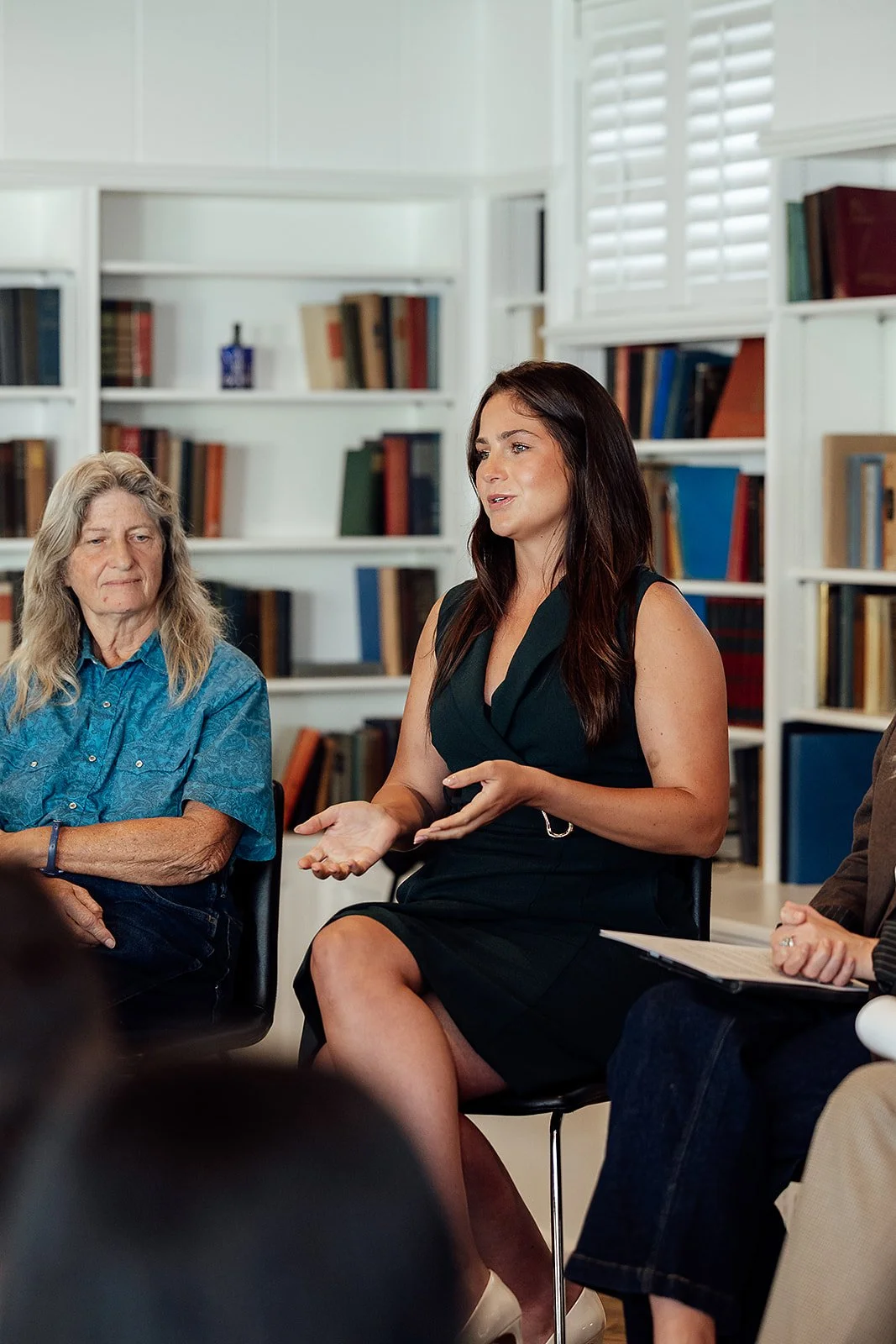
That is where the panel discussion eventually arrived at the idea of a “quarterback.” A complex equestrian project may involve any number of specialists, but someone still has to be responsible for driving the project from beginning to end. The quarterback is the person who keeps the larger objective in view, moves the process forward, coordinates the team, tracks decisions and deadlines and makes sure each phase leads into the next. When permitting stalls, information is needed from a consultant or a decision has to move between disciplines, there is someone actively pushing it toward resolution rather than allowing the project to languish.
That person may be the owner, architect, project manager or owner’s representative; the title matters less than having someone who takes responsibility for getting the team—and ultimately the project—from A to Z.
Korsh reflected that bringing her architect and builder together from the beginning would have helped avoid problems later. And when an audience member asked what team an inexperienced buyer should assemble, the answer included not one obvious expert but a combination of locally knowledgeable consultants, builders, architects, landscape architects, realtors, title professionals and, where necessary, land-use specialists.
“No one can do this alone, or should,” Caddell said.
THE VALUE OF THE CONVERSATION
By the latter part of the panel, the planned topics had begun to overlap almost completely.
Questions about turf became questions about emergency access. Manure became a discussion of drainage and footing. Zoning led to architecture and construction. An owner’s representative introduced site-planning problems encountered on another equestrian project. Korsh began asking Wood about how she might address manure management at her own property.
That evolution was perhaps as instructive as any individual answer.
A successful equestrian property requires expertise from disciplines that are often hired separately but whose decisions are anything but separate. Bringing those people into conversation creates the opportunity to see connections before they become problems on a property.
“I think it’s hard work,” Korsh said, “but when you have a group like this, you can talk about it, plan and get ideas.”
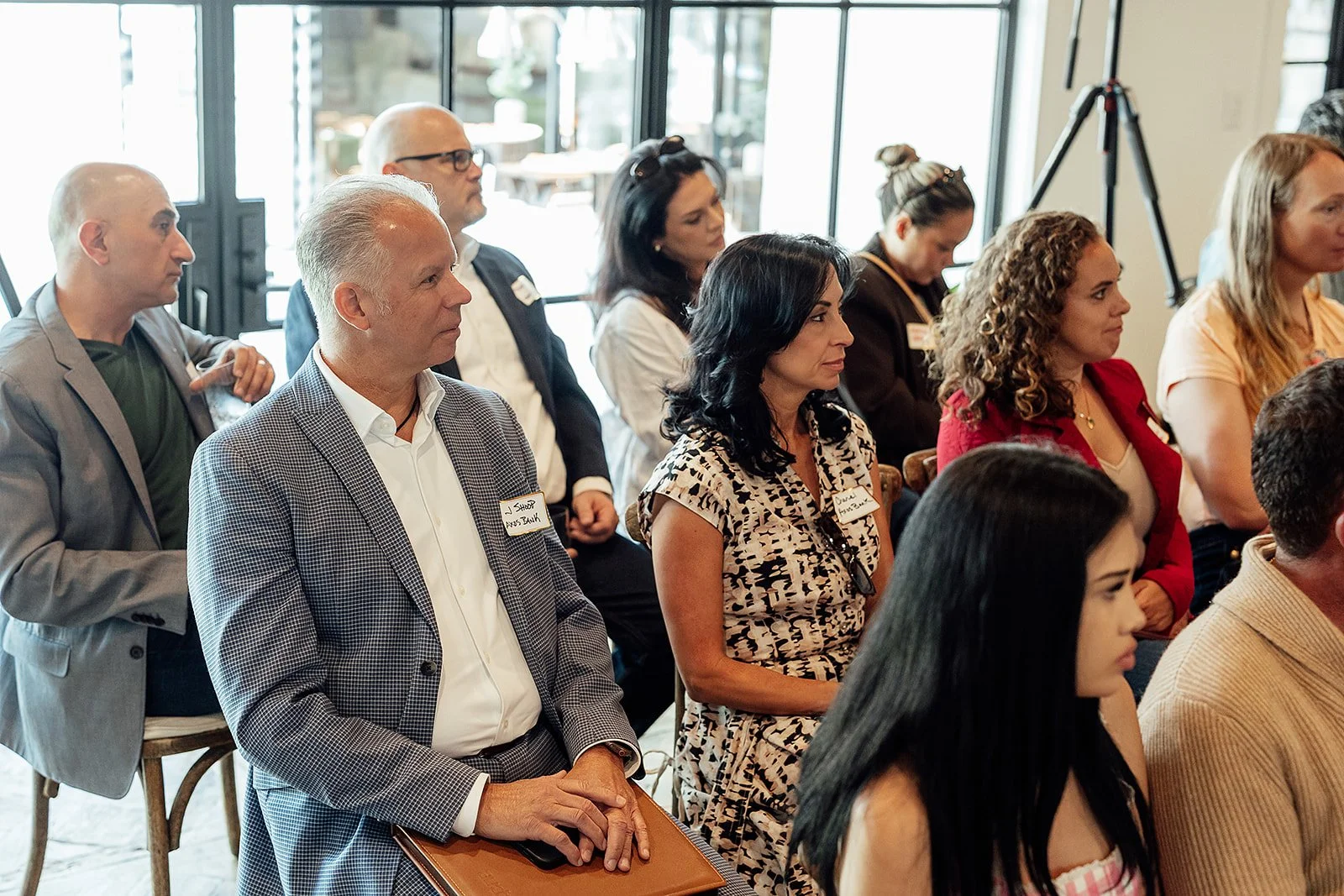
The full panel discussion can be watched online, preserving the information shared that afternoon. But the room itself offered something more difficult to capture on video. Professionals who ordinarily approach equestrian properties from different directions were able to question one another, add to one another’s answers and connect their own expertise to problems they might not otherwise encounter until a project was underway.
For Korsh, the contrast was especially meaningful. When she purchased Del Mar Meadows, she had to find those resources for herself. Decades later, she was sitting among homeowners and professionals who could learn from what had taken her years to discover.
That is part of what the Luxury Equestrian Network was created to make possible—not simply introductions between people who work in the same industry, but access to the collective knowledge required to build and maintain these highly specialized properties well.
Because designing for equine welfare is not one decision made at the barn. It is the accumulation of decisions made across the entire property, often by different people with different areas of expertise.
The better those people understand one another, the better the property can ultimately serve the horses who live there. ∎