How Emma Tate’s large-scale ceramic reliefs are redefining equine art within contemporary interiors
Interview by Lindsay Hunter
Photography by Jenna Bascom/NYC Event Photography, Heather Huie/Apollo Fields Photography, Nick Hudson/Hudson Photo, John Muggenborg/Mugg Photo
For centuries, horses have been among art's most enduring subjects. From bronze sculptures and sporting portraits to oil paintings lining the walls of libraries and tack rooms, equine art has traditionally celebrated the horse as something to be observed. Emma Tate invites us to experience something entirely different.
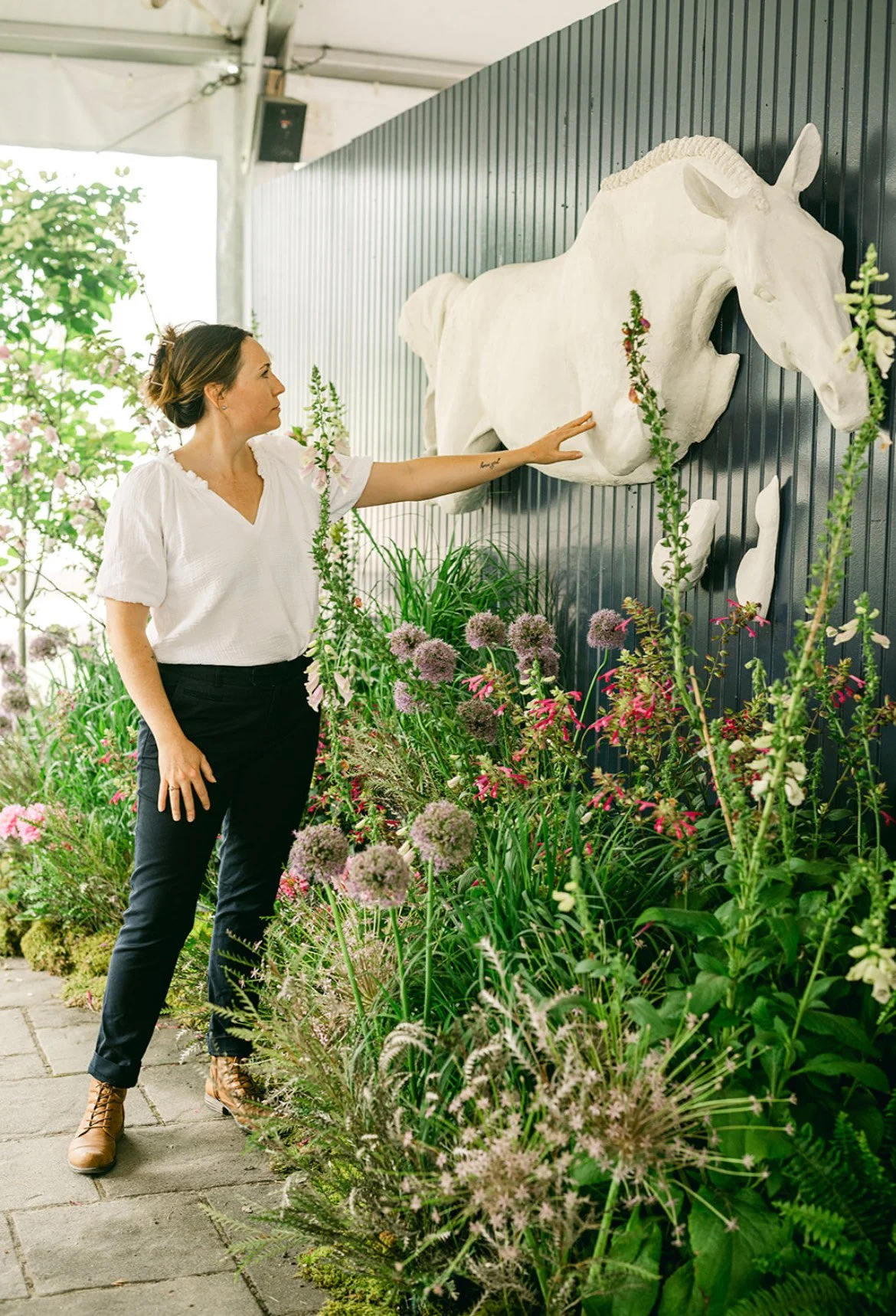
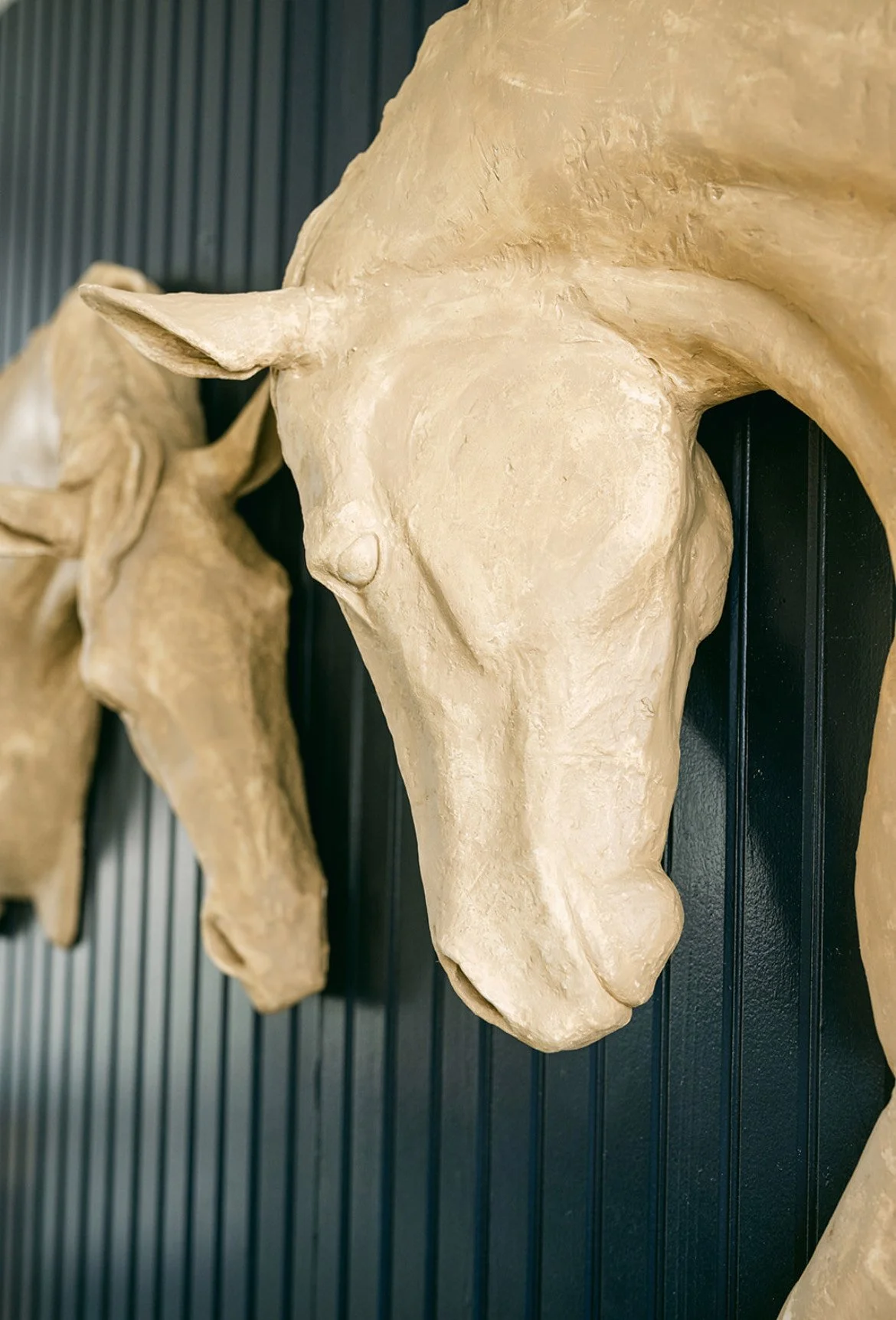
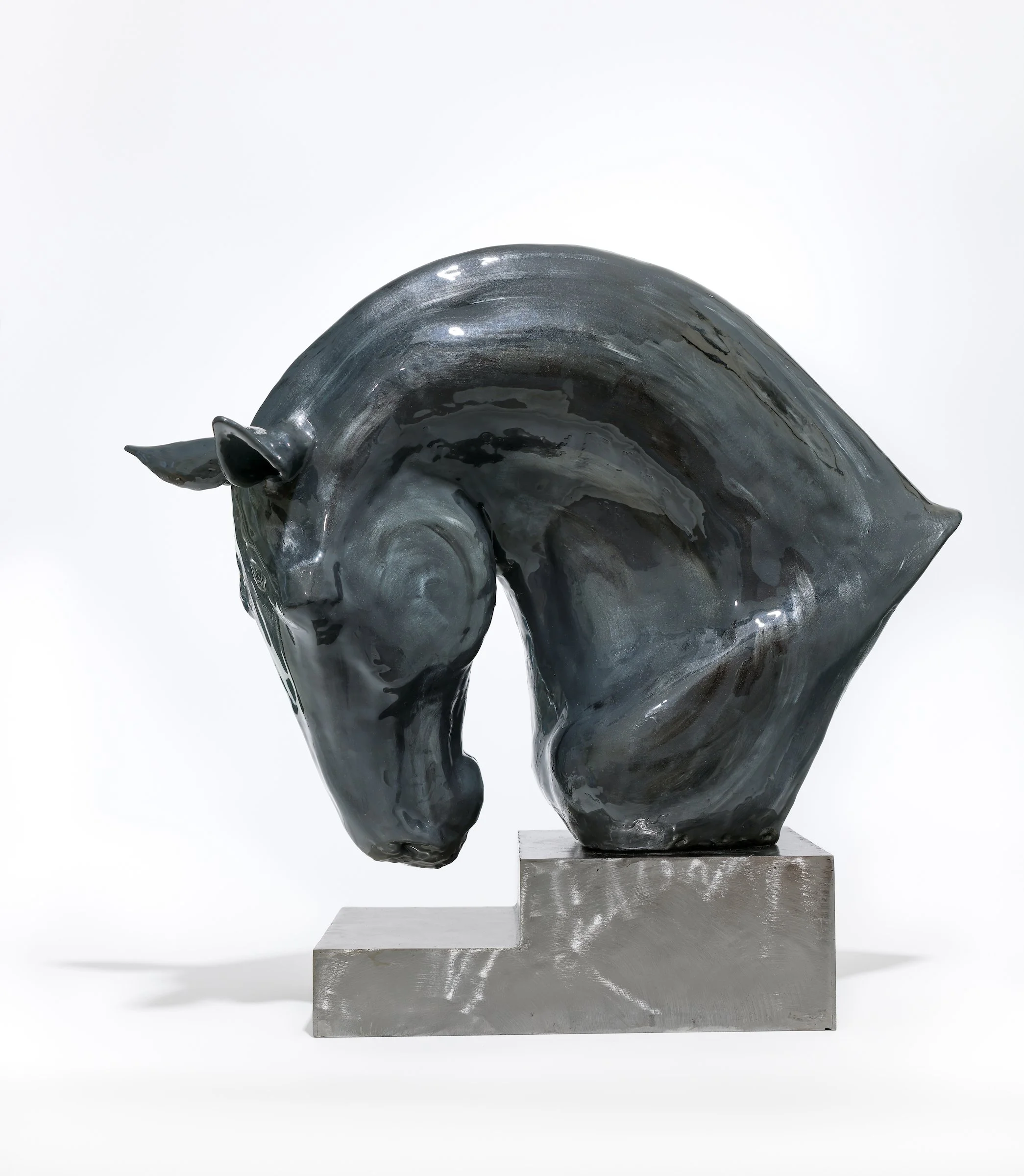
Her large-scale ceramic relief sculptures emerge from walls rather than hang on them. They occupy space, interact with changing light, and transform the atmosphere of a room. Rather than functioning as decoration, the sculptures become an integral part of the interior.
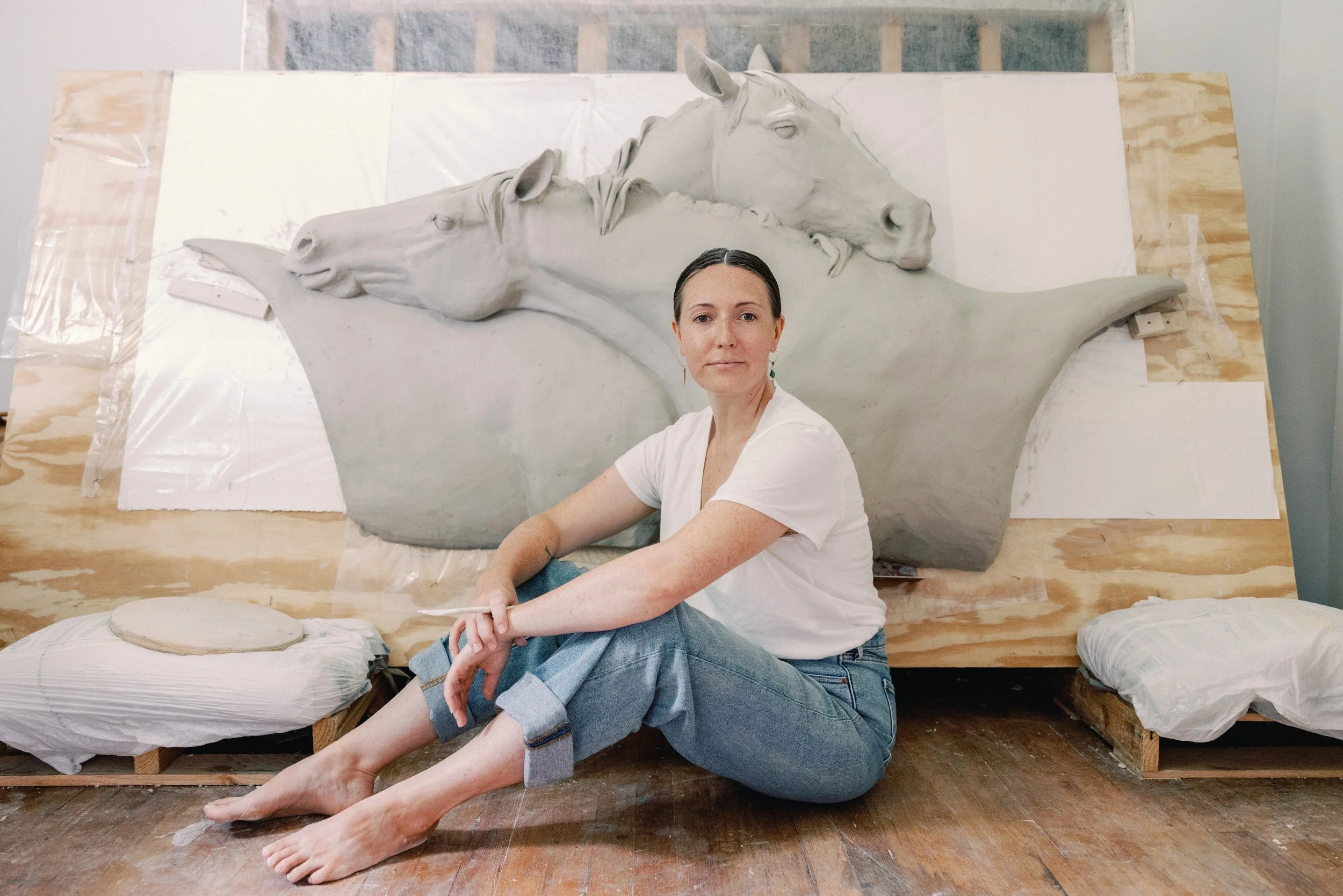
That idea began with a single commission. "I realized it the first time I was commissioned to sculpt directly onto a wall rather than creating a tabletop piece. Until then, my work could be moved around, but suddenly I was creating something permanently integrated into the structure of a home itself. That shifted my perspective completely. The sculpture became part of the atmosphere and identity of the space rather than simply decoration. I wanted the work to feel connected to the daily life and energy of the home."
That commission fundamentally changed Tate's approach. Instead of creating an object to be placed within a room, she began creating work that belongs to the room itself.
Her understanding of horses comes not from studying photographs but from years spent living alongside them. "Being around horses for so many years gave me an instinctive understanding of their impulsion, fluidity, musculature, and proportions. When I sculpt, I'm less interested in anatomical perfection and more focused on capturing the feeling and energy of the horse. I often work from memory and instinct, which allows the pieces to remain expressive and handmade. That slight abstraction and imperfection is what gives the work emotion and life."
That emotion is strengthened by an intriguing contradiction. Ceramic is often thought of as delicate, yet Tate uses it to portray one of nature's most majestic animals.
"Horses are incredibly powerful, yet also deeply fragile creatures. Having such a close relationship with them made me constantly aware of that balance between strength and vulnerability. Ceramic carries a similar duality. It's fragile, yet physically heavy and capable of immense presence. When I create large-scale works, handling the material almost feels like handling a real horse because of its scale, weight, and sensitivity. I'm always exploring where power and fragility meet, because emotionally they coexist in both horses and people."
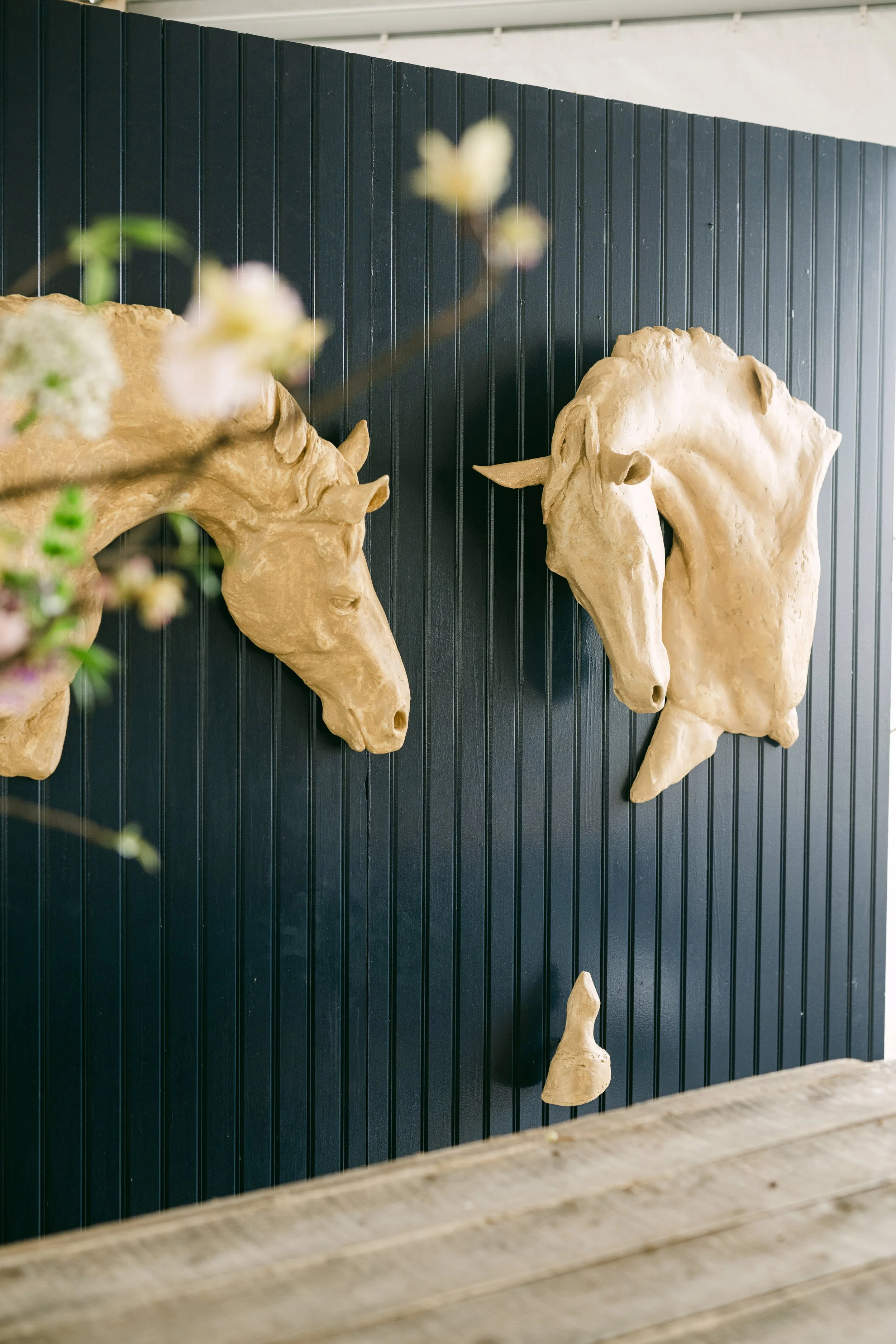
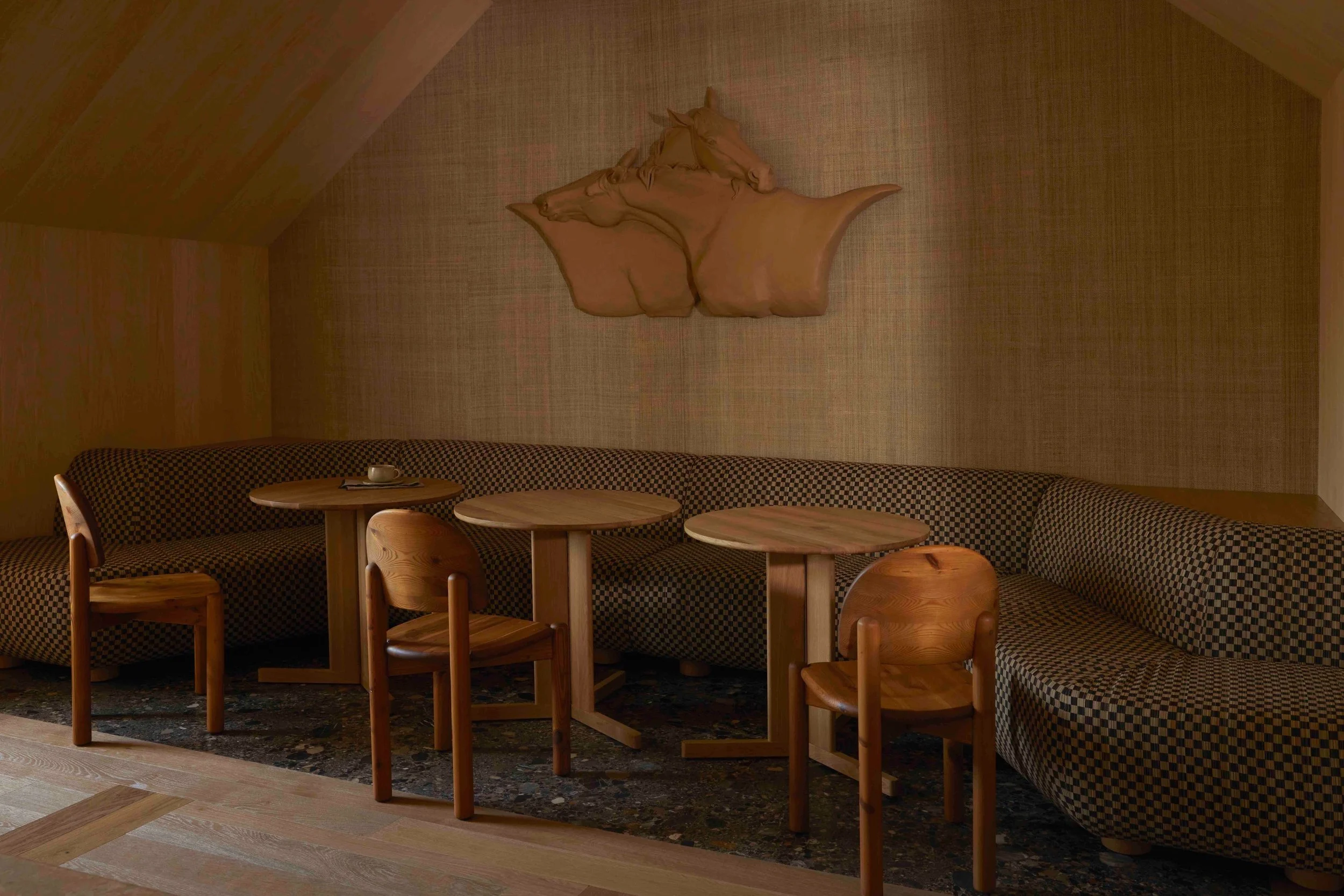
Just as important as the sculpture itself is the environment around it. Tate studies light, shadow, and architecture from the earliest stages of every project.
"Light and shadow are considered from the beginning of every piece. Because the sculptures have so much depth and movement, the changing light throughout the day becomes part of the artwork itself. I'm always thinking about whether the work will live in natural or artificial light and how the shadows will move across the space. I especially love when the sculpture is designed alongside the architecture or interior itself, because the artwork, lighting, and environment can evolve together as one experience."
While the finished pieces appear effortless, they require careful engineering to support their weight and create the illusion of movement. The technical challenge is part of what makes the work so compelling—each sculpture balances artistry with structural precision.
Tate believes contemporary equestrian interiors are embracing a broader definition of horse art.
"I think there will always be a place for traditional equestrian art. It brings warmth, history, and charm to a space. But not every interior calls for that aesthetic. Contemporary equine artwork offers a different kind of energy through its scale, shape, texture, and form. Artwork sets the tone of a room, and modern sculptural pieces can create a strong presence while still feeling refined. In my work, the large scale and dimensionality allow the artwork to become part of the movement and emotion of the space, rather than simply something displayed within it."
For Emma Tate, sculpture isn't simply about representing the horse. It is about giving the horse a permanent place within the architecture of the home—where movement, emotion, and design become inseparable.