THE POWER OF PRESENCE
THE EQUINE PORTRAITS OF JOHN ROTHERHAM
By Lindsay Hunter
Photos courtesy of John Rotherham
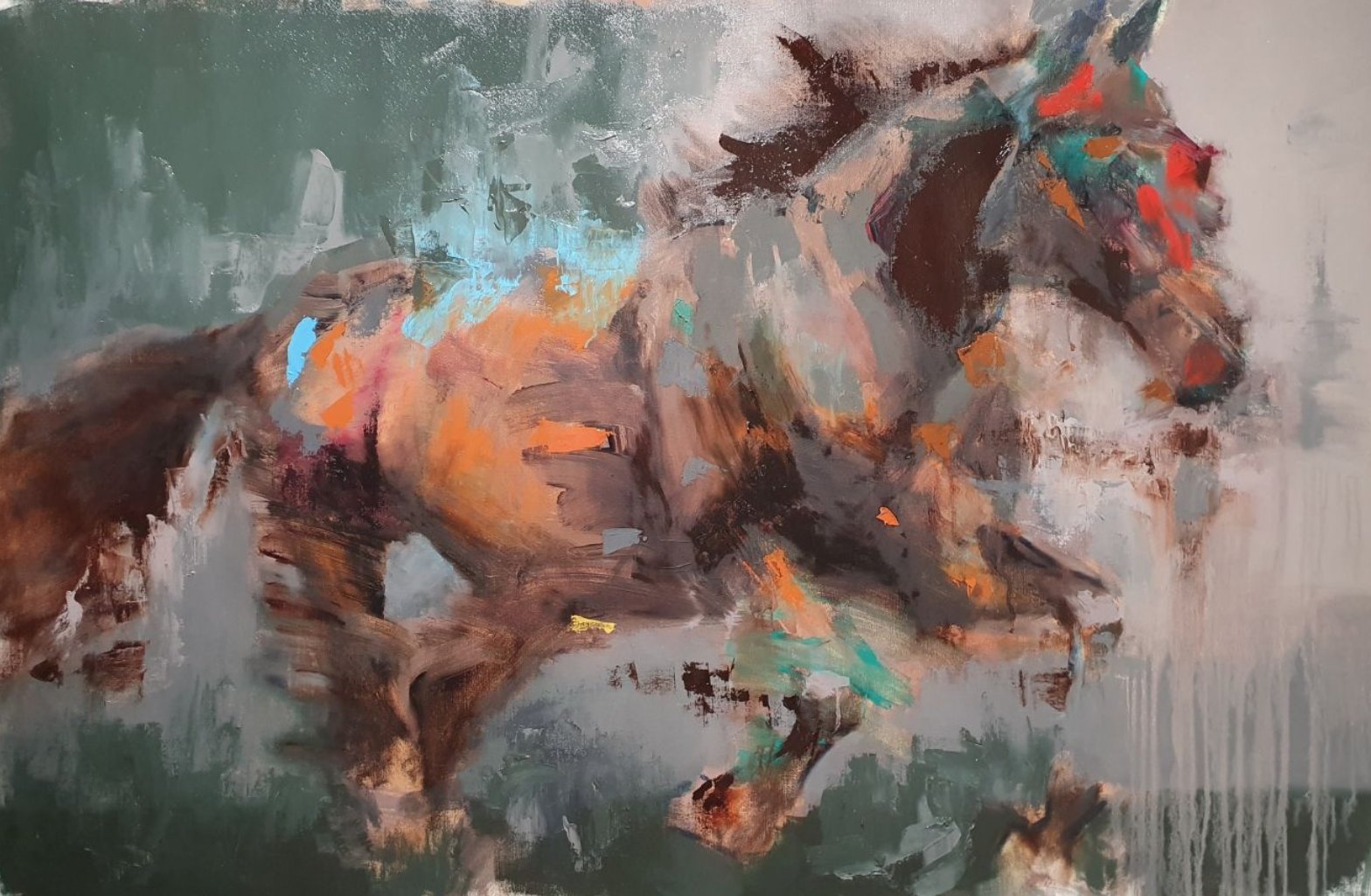
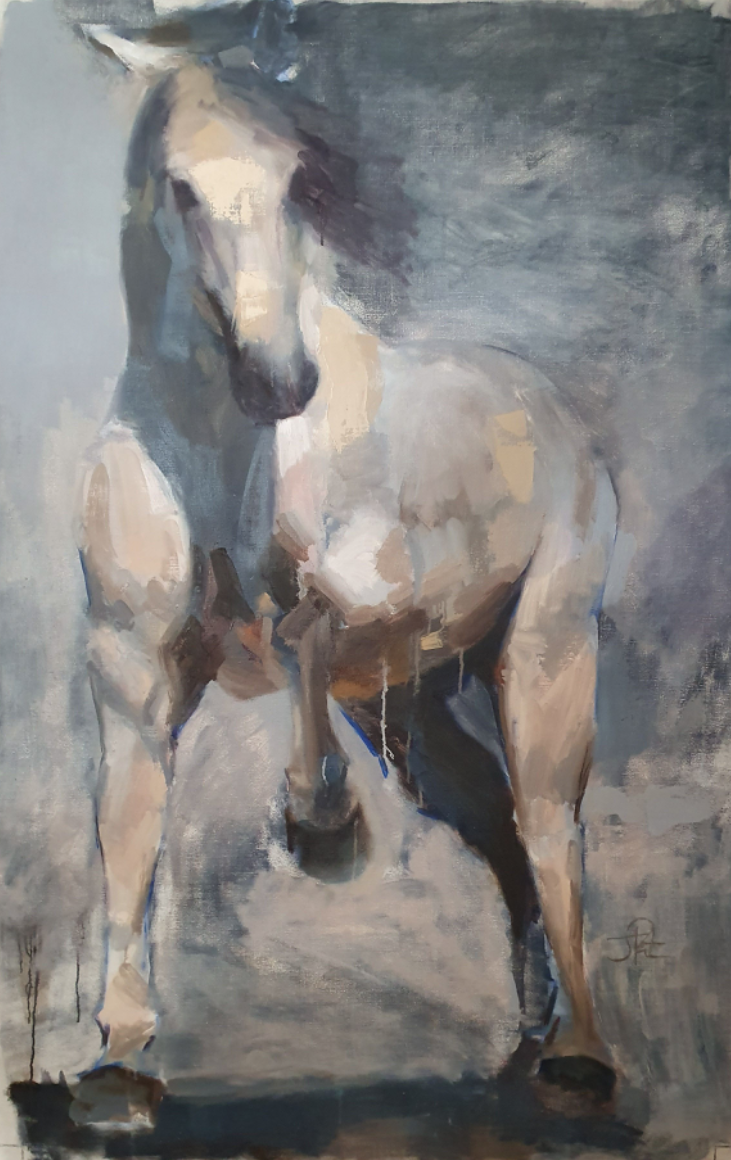
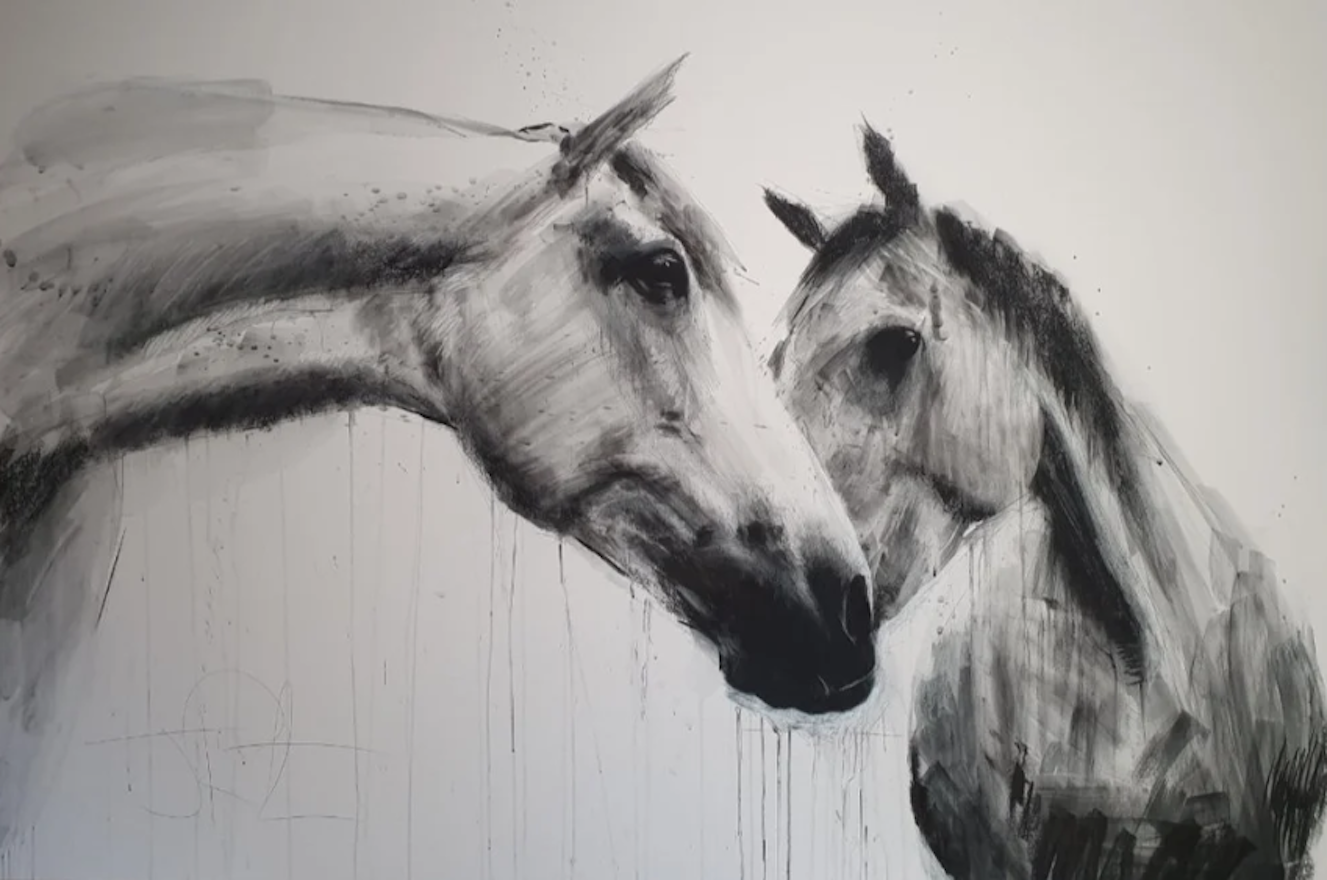
Portraiture, at its core, is an act of observation—but in the hands of British artist John Rotherham, it becomes something far more powerful. His work does not simply capture likeness; it captures energy, movement, and emotion. Nowhere is that more evident than in his equine portraits, where restraint and expression come together to create work that feels both immediate and timeless.
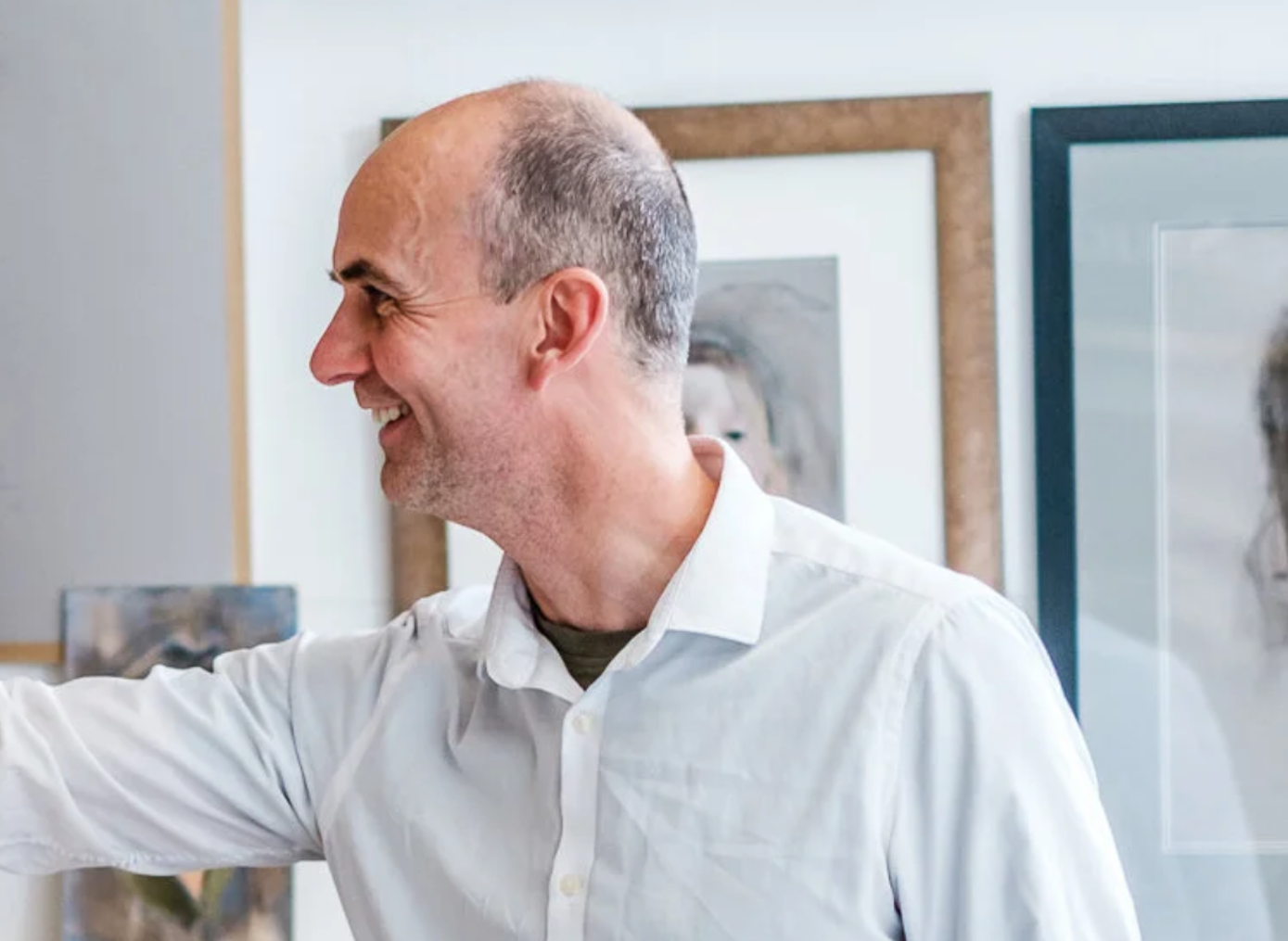
Working from his studio in the Ribble Valley in Lancashire, Rotherham has built a career that spans international exhibitions in London, New York, Paris, and Singapore. Today, his focus has turned more intimately toward bespoke portrait commissions—deeply personal works created for private clients around the world.
“I realised early on in my career that I work best working to a client brief. I like the challenge of creating something unique for a specific client. In addition, I have met many really lovely people on my journey, and it is a privilege to be trusted to create something so personal.”
Beyond Likeness
From an early age, Rotherham was drawn to the complexity of the face—the challenge of capturing not just structure, but identity. “I think I have always been fascinated by faces and people. From being very young I have always preferred the face as a subject than anything else. Also, I like the difficulty in capturing a likeness, as the effort required is very satisfying if successful.” That same pursuit carries into his work with horses. Yet for Rotherham, likeness alone is never enough.
“For me, the likeness in a portrait is an essential, minimum requirement. The portrait needs to look like the subject. However, beyond that it also needs to have emotional impact. I always think even if the viewer has never met the subject, the portrait needs to have 'Wall Power' in order to grab the viewer with its emotional energy. Also, because of the power, grace and sheer physicality of a horse, I try to give my portraits as much movement as possible. I also like to try and leave as much out as possible, so the viewer can fill in the blanks with their own interpretation. Finally, it needs to work as a piece of fine art, to be enjoyed by the viewer.”
That idea—Wall Power—feels especially relevant within the context of equestrian homes, where art is often expected to do more than decorate. It must anchor a space, hold presence, and reflect a deeper connection between owner and horse. Rotherham’s work does exactly that, pulling the viewer in through a careful balance of detail and omission.
The Spiritual Presence of the Horse
It is within his equine portraits that Rotherham’s work becomes most expressive. “I think horses are very spiritual. They embody a physical and emotional element that I try to respond to in my work. I also love to play with representing a horse in the most abstract way possible, to try to give a twist on something familiar.”
There is an inherent duality in the horse—strength and sensitivity, power and grace—and Rotherham leans into that tension. His compositions often feel as though they are in motion, even when the subject is still. Edges dissolve, forms emerge and recede, and the viewer is left to complete the image.
This restraint is intentional. By leaving space within the work, he invites interpretation, allowing each viewer to form their own connection to the subject.
The result is a portrait that feels less like a static representation and more like a living presence—something that continues to reveal itself over time.
Movement, Energy, and Restraint
A defining quality of Rotherham’s work is his ability to balance control with looseness. Charcoal allows for fluidity—gesture, mark-making, and expression—while oils provide depth and flexibility. Together, they create a language that is both classical and contemporary.
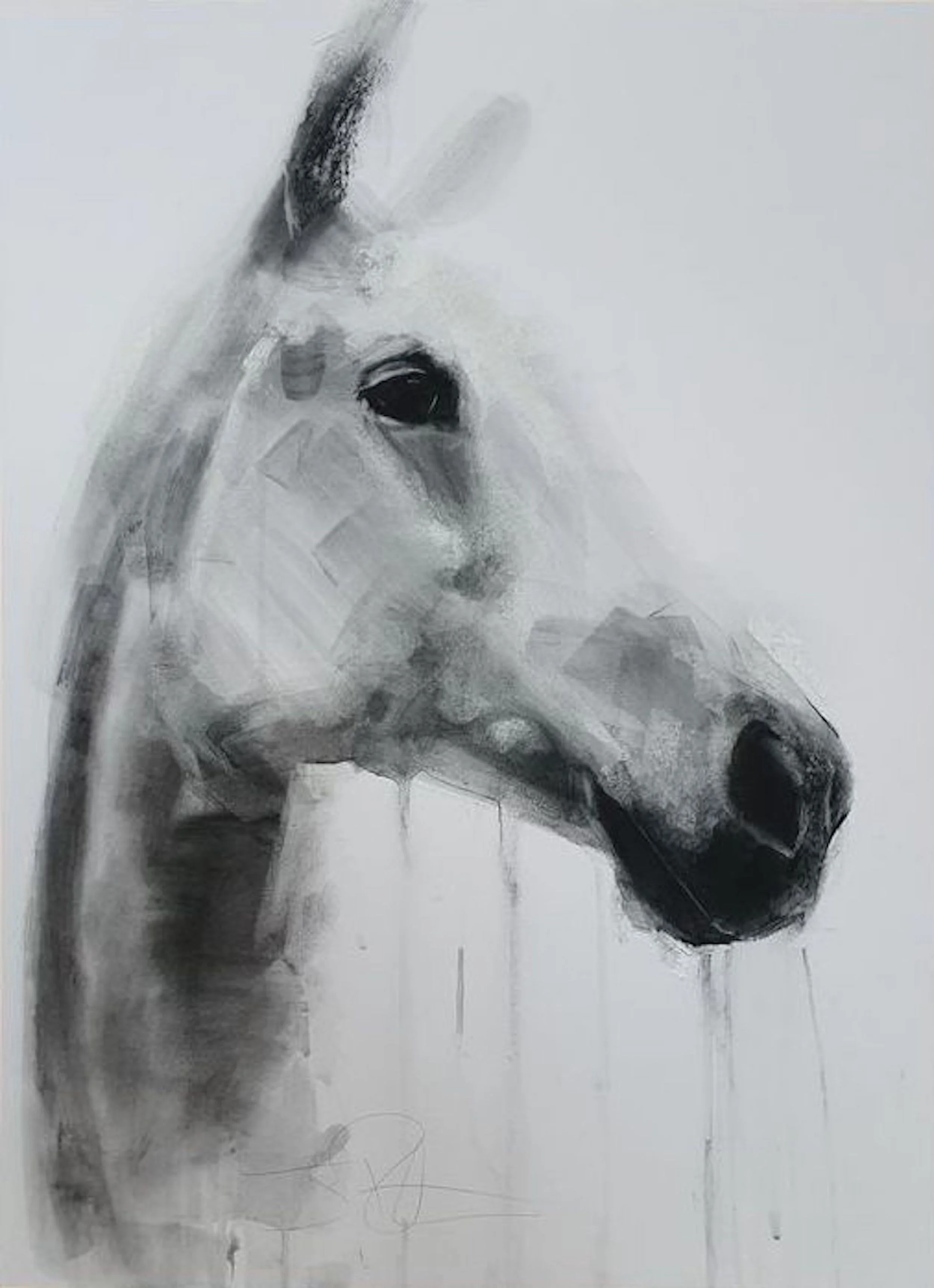
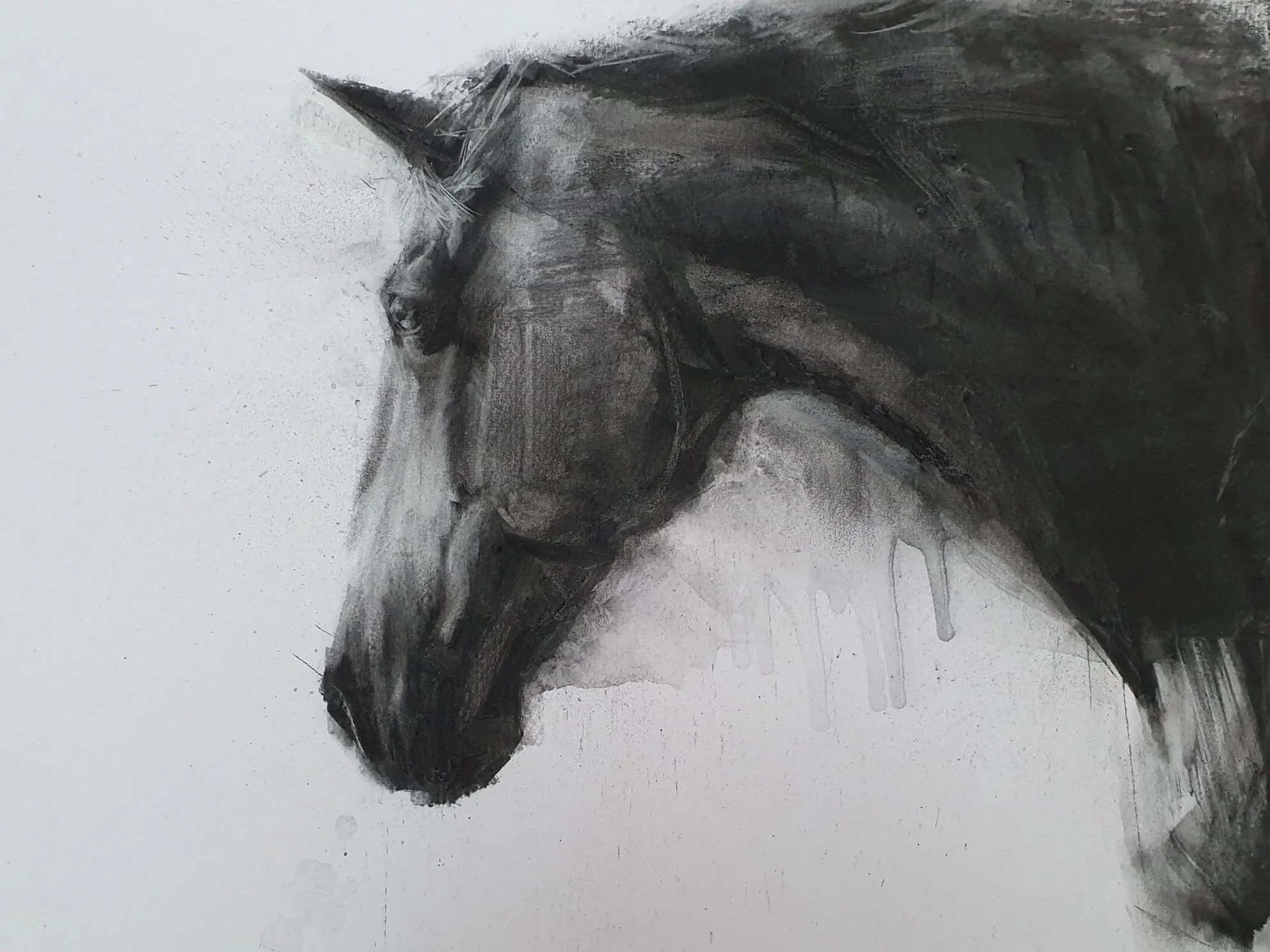
“I love the immediacy and simplicity of charcoal. You can work in a very expressive way, which is a great foundation for transitioning to oils. I really enjoy the versatility of oils. They are very forgiving, and you can re-work areas and completely change the look and feel of a piece. Plus, I love the fact that they are very traditional mediums, particularly charcoal.”
This combination allows him to push and pull between clarity and abstraction, revealing just enough while holding something back. The viewer is never given everything at once. Instead, the work unfolds slowly—an experience that mirrors the quiet, observational nature of time spent around horses.