TASHA OSBOURNE
Stewardship, Strategy, and the Future of Equestrian Real Estate in Ocala
By Lindsay Hunter
Photography by Mahal Imagery, Austin Kaseman & Brick City Photography
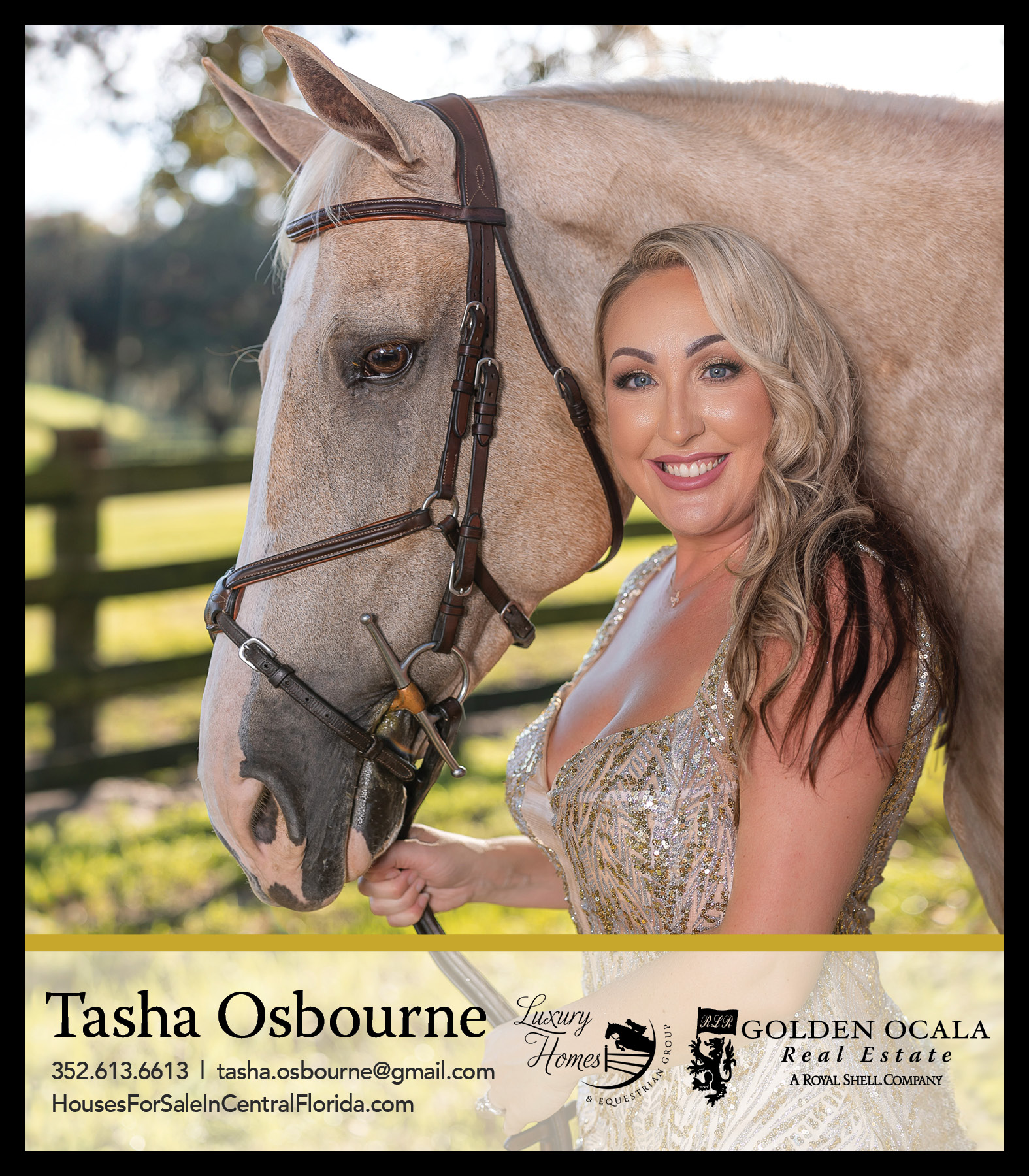
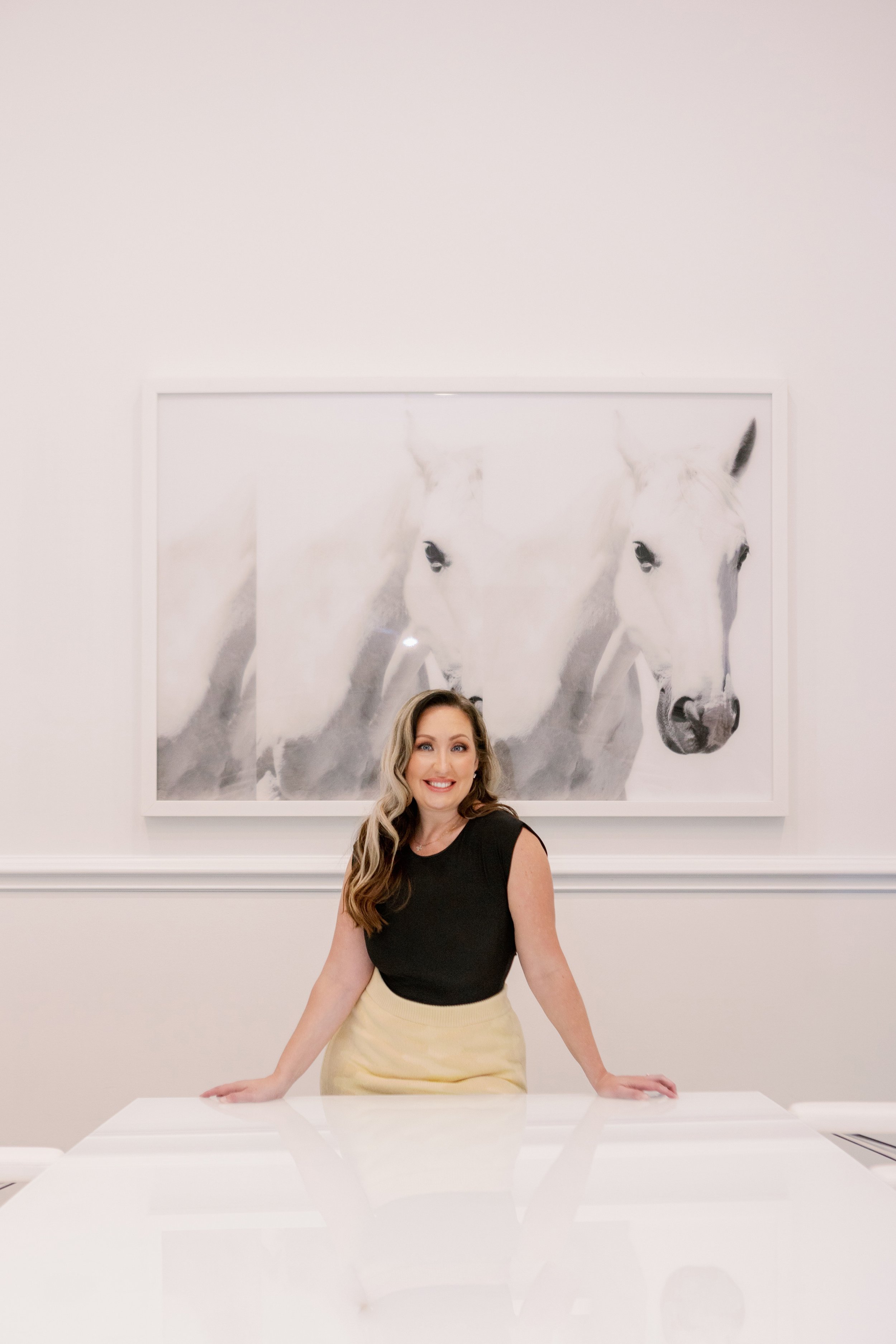
In Ocala, Florida—widely regarded as the Horse Capital of the World—real estate is about far more than land and structures. It is about legacy, stewardship, and a way of life shaped by horses. Few professionals understand that balance more intuitively than equestrian realtor Tasha Osbourne, whose career has been defined not only by more than $350 million in sales, but by a deeply relationship-driven approach to serving clients within one of the most dynamic equestrian regions in the country.
For Osbourne, Ocala was never simply a market opportunity. It was something more personal. “Ocala found me at a time when I was looking for more than just a place to live—I was looking for a place to belong. Nearly two decades later, it’s home in every sense of the word,” she explains. Living there for nearly twenty years has shaped the way she guides her clients, allowing her to understand “the rhythm of the market, the people, the land, and the long-term vision of this community.”
That depth of connection informs a perspective that extends beyond transactions. In Ocala, real estate decisions are often tied to long-term plans for horses, families, and land stewardship—factors that require both local knowledge and careful listening.
A Market Defined by Possibility and Purpose
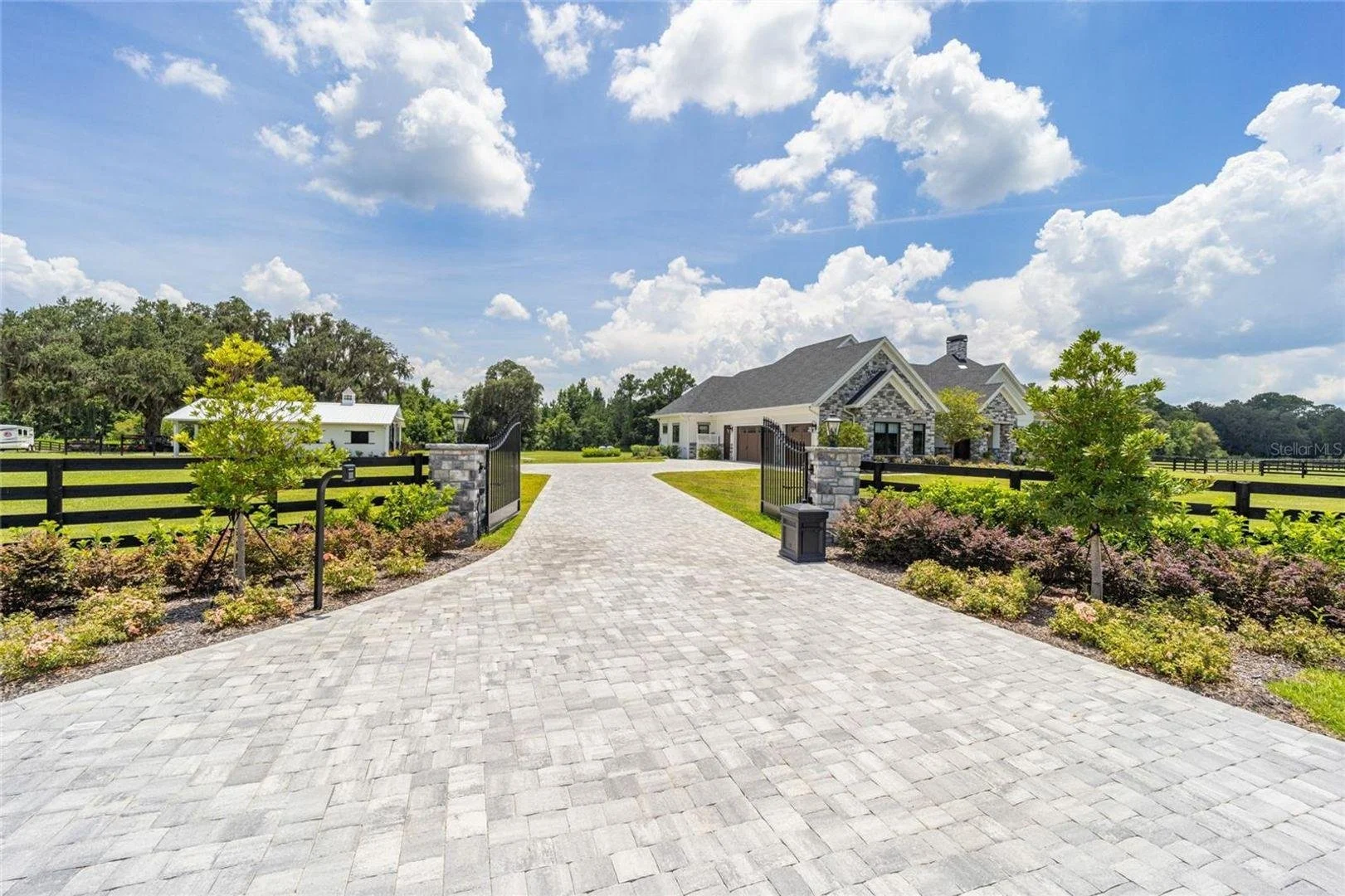
As Osbourne describes it, “Ocala truly is a rare intersection of opportunity and authenticity where buyers can find world-class equestrian infrastructure, expansive acreage, championship training facilities, and a supportive, tight-knit horse community—all while still enjoying privacy, accessibility, and growth.” For many clients, the appeal extends well beyond financial considerations. Instead, she sees buyers responding to possibilities that are “lifestyle-driven, generational, and deeply personal.”
Osbourne approaches each project through that lens. Rather than focusing solely on square footage or acreage, she works closely with clients to understand how their property must function day to day—for both horse and rider. “Lifestyle is how your day feels,” she says, describing the quiet rhythm of morning barn checks and the seamless flow between home and farm that supports training, turnout, and travel. Her role, she explains, is to listen closely, anticipate needs, and align each client with a property that enhances their daily life not only today, but for years to come.
Trust at the Center
While many real estate businesses are built on volume, Osbourne’s success has grown through something far more enduring: trust. She believes that relationships shape every successful outcome, explaining that “real estate may be the vehicle, but trust is the foundation.” That philosophy is reflected in the white-glove approach she brings to every transaction, much of which happens quietly behind the scenes. For her clients, going the extra mile often includes “the late-night calls, the behind-the-scenes problem-solving, the quiet advocacy during negotiations, and the willingness to slow down when a client needs clarity—not pressure.”
Her background across mortgage, title, and brokerage further strengthens that level of guidance. Having worked across multiple sides of the transaction, she is able to anticipate where challenges may arise and help clients navigate them with confidence. “Having experience across mortgage, title, and real estate allows me to see the entire transaction—not just one piece of it,” she explains, resulting in fewer surprises and stronger positioning from contract through closing.
Guiding Clients Into the Equestrian Lifestyle
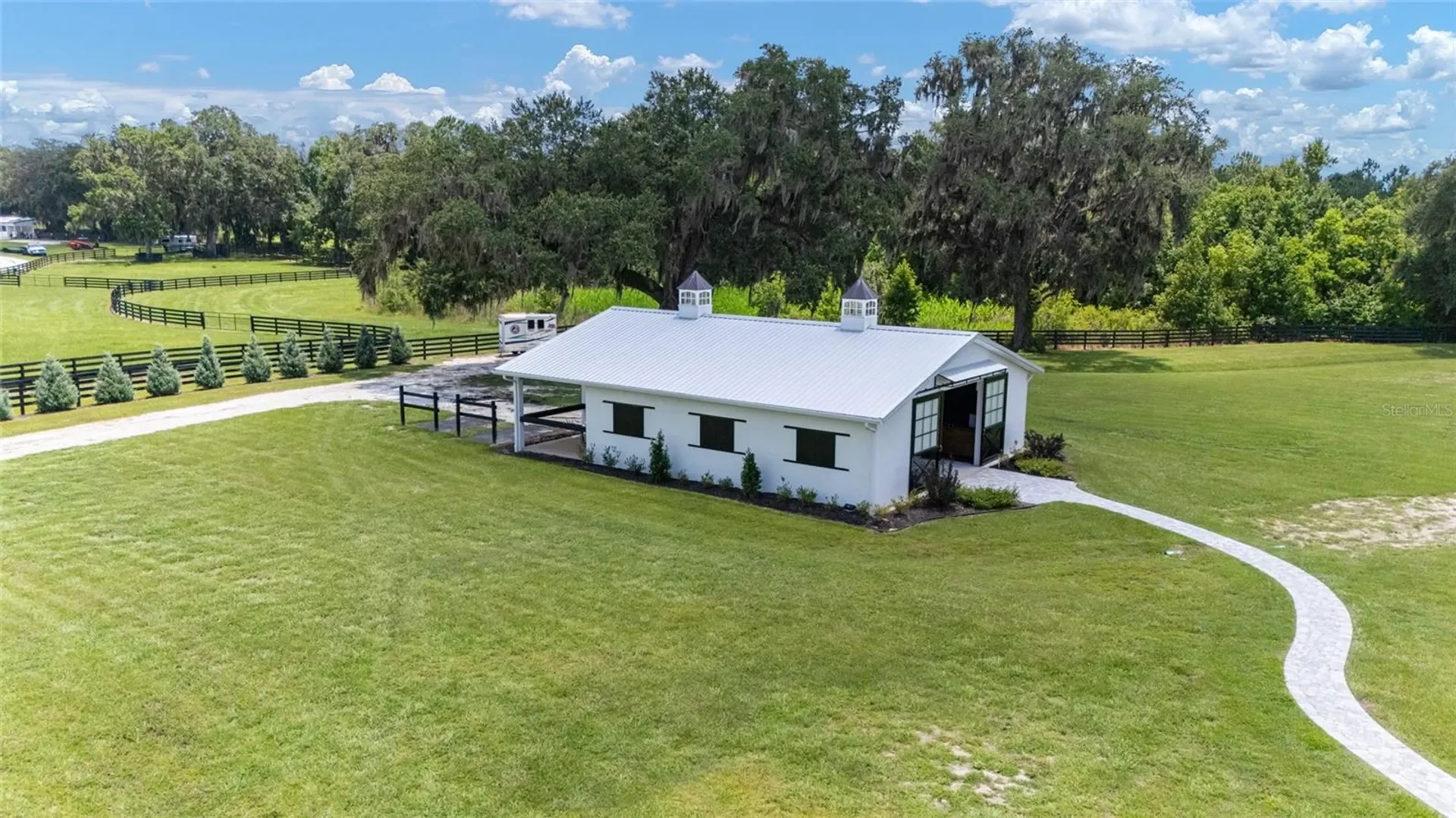
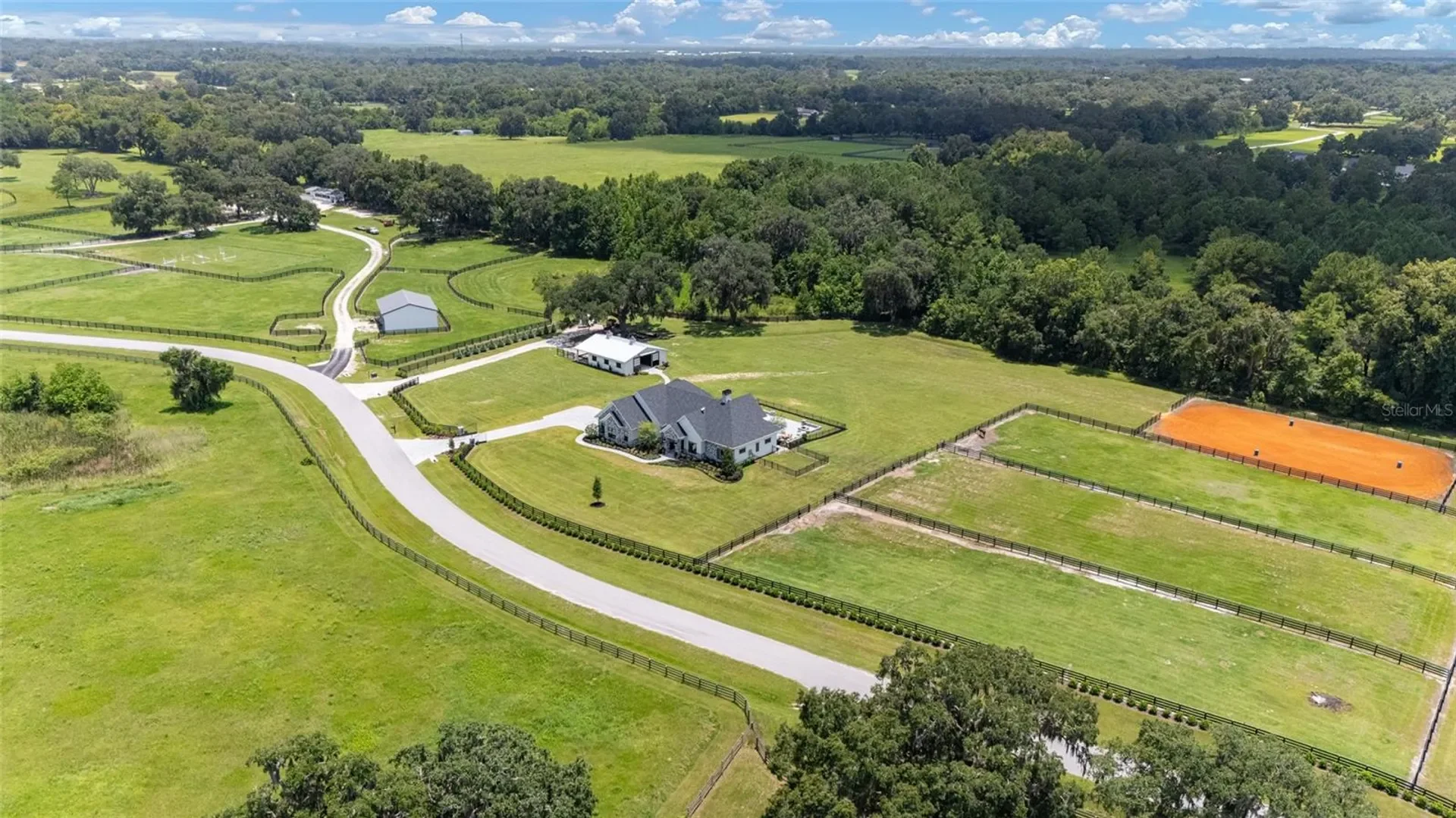
Equestrian properties bring a unique level of complexity, requiring coordination across disciplines and thoughtful long-term planning that extends well beyond the closing table. For clients new to horse properties, Osbourne takes a deliberate approach to education, guiding them through realistic expectations and introducing them to the broader ecosystem that supports equestrian ownership. Rather than overwhelming clients with information, she explains that she prefers to move at a pace that allows them to feel confident in each step of the process. That often includes connecting them with trainers, barn managers, veterinarians, and farriers, so they are supported well beyond the transaction itself.
As Ocala continues to grow, preserving the agricultural character and open land that define the region has become an increasingly important priority. Osbourne’s involvement with organizations such as Horse Farms Forever and Equine Initiatives reflects her commitment to ensuring that progress remains aligned with preservation. She believes that balancing growth responsibly requires being “thoughtful, intentional, and informed,” particularly in a region where land use decisions directly shape the future of the equestrian community.
In this context, real estate professionals play a meaningful role in guiding long-term outcomes. They are often the first to explain zoning considerations, conservation options, and infrastructure implications to buyers and sellers, and with that knowledge comes responsibility. As Osbourne notes, their role extends well beyond facilitating transactions; it is ultimately one of stewardship.
A Global Network Built on Collaboration
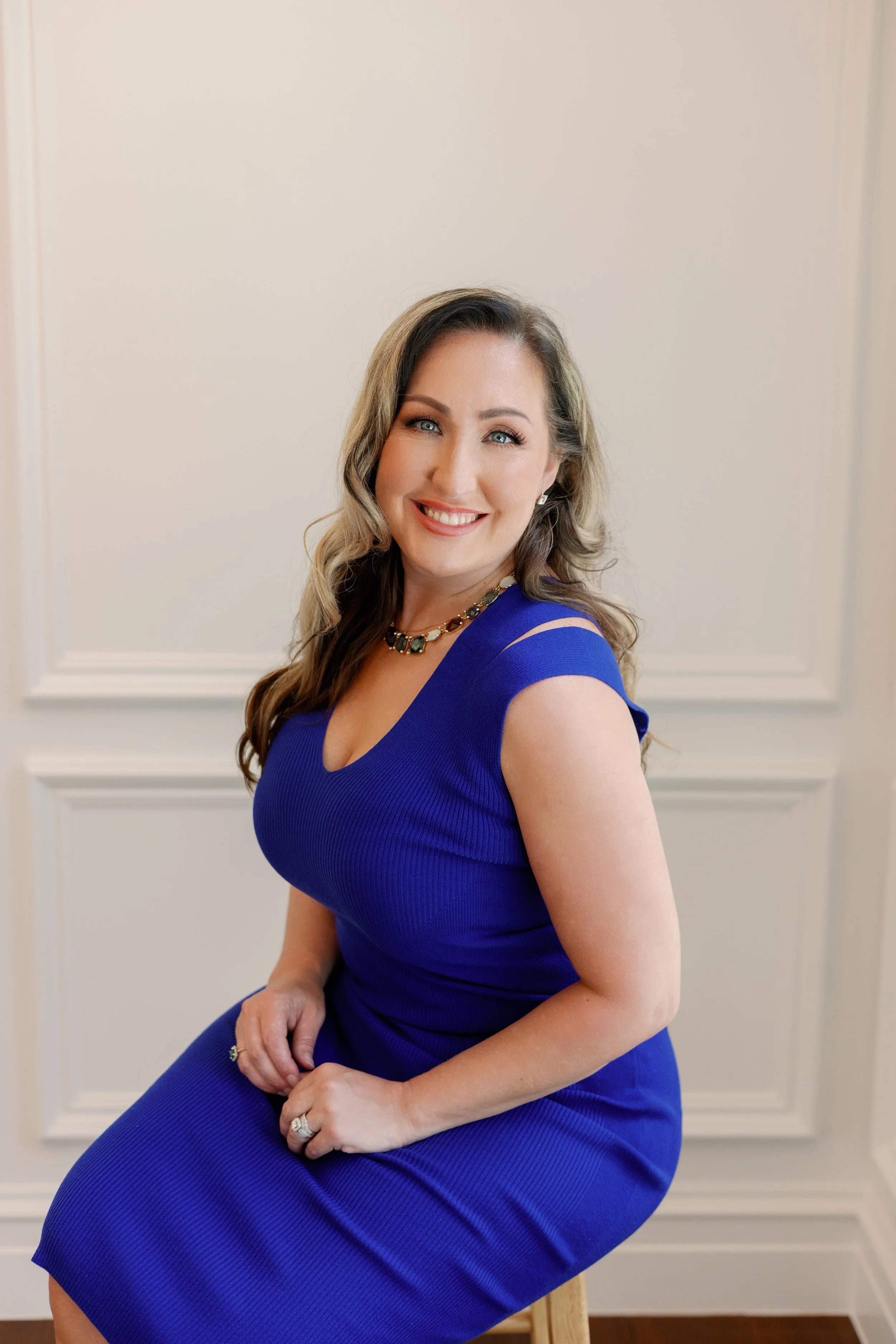
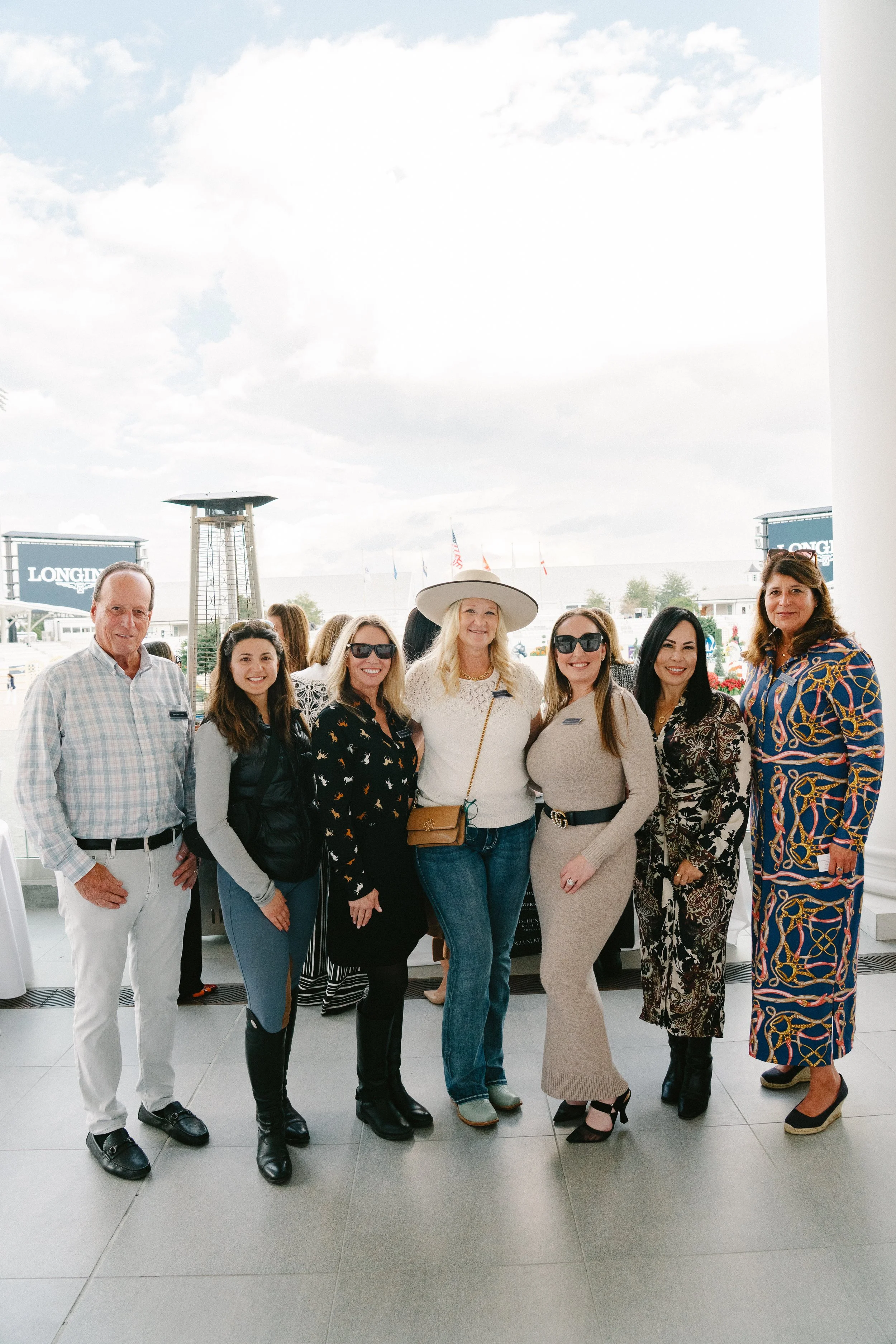
Her leadership extends beyond Central Florida as well. As co-founder of the Global Equestrian Advisors, Osbourne has helped create an international referral network designed specifically for equestrian clients whose lives and properties often span multiple regions. The initiative grew from her recognition that “equestrian real estate doesn’t operate within borders. Horses, lifestyles, and clients move fluidly across countries, disciplines, and seasons—yet representation often remained siloed.”
Collaboration, she believes, strengthens the industry as a whole. Because equestrian real estate is so specialized and personal, she notes that it benefits from advisors working together rather than competing for individual transactions. In her view, cooperation leads to stronger representation, better information, and smoother outcomes for clients moving between regions.
Looking Ahead
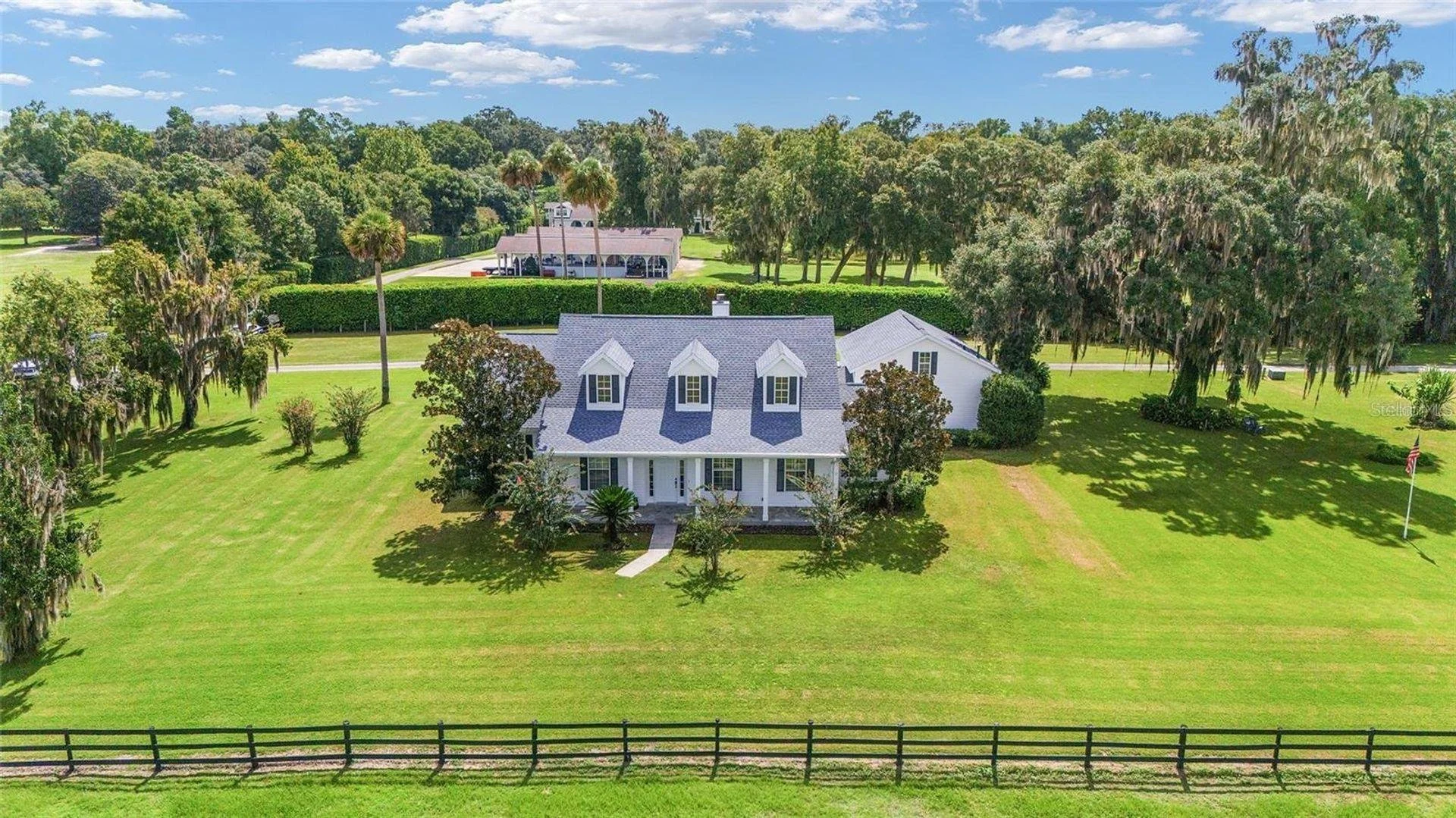
As the equestrian market continues to evolve, Osbourne is seeing buyers place increasing emphasis on properties that combine timeless design with modern functionality and long-term flexibility. She notes growing interest in clean architectural approaches, natural materials, wellness-focused living environments, and smart infrastructure that supports both residential comfort and equestrian performance. At the same time, thoughtful barn layouts, quality footing, privacy, and adaptability across disciplines remain central priorities for serious horse owners.
Ocala itself continues to attract a global audience seeking something deeper than seasonal convenience. Increasingly, Osbourne works with clients who are not simply purchasing a second property but establishing long-term roots in a community that supports both lifestyle and legacy. As she explains, the region continues to draw “discerning buyers from around the world who want more than a destination; they want roots.”
Despite the sophistication of today’s market, her work remains grounded in the same values that first drew her to Central Florida nearly two decades ago. For Osbourne, real estate is ultimately about relationships, trust, and shared purpose. “Community and connection are the foundation of everything I do,” she says, emphasizing that when professionals lead with service and integrity, the relationships they build extend far beyond the transaction itself.
In a region where land, horses, and heritage remain closely intertwined, that perspective continues to shape not only successful transactions—but the future of the equestrian community itself.